

 Resolution 2797 changed the rules. Not everyone in the room got the memo.
 Morocco’s UN ambassador told the Committee of 24 that the Security Council has already settled the Sahara question — and that continued decolonization debate amounts to deliberate obstruction.
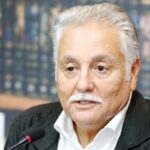
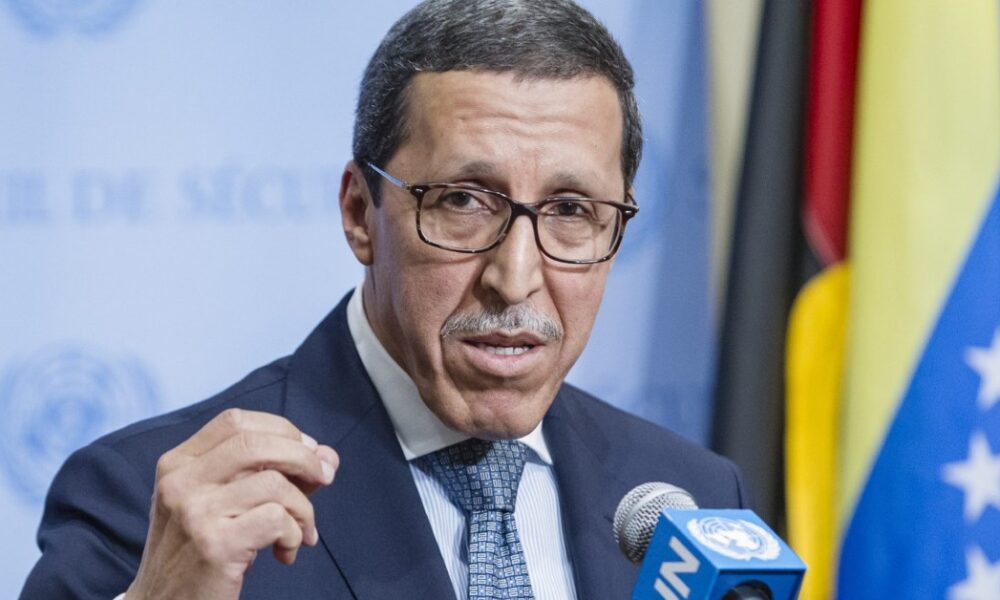
Resolution 2797 “is not just another resolution”, Morocco’s UN ambassador Omar Hilale told the Committee of 24 on Tuesday. Speaking at the committee’s ordinary session in New York, he called it “an unprecedented political verdict and a roadmap to definitively resolve” the regional dispute over the Moroccan Sahara.
The Security Council, Hilale argued, “upheld the law” by treating the Sahara question exclusively under Chapter VI of the UN Charter — the chapter governing peaceful settlement of disputes — rather than through any decolonization lens. He invoked Article 12 of the Charter directly, stating it “was expressly drafted to avoid” the institutional duplication the C24 perpetuates by examining a matter that has fallen under exclusive Security Council jurisdiction since 1991. “This is not an opinion. It is international law. It is the UN Charter”, he said.
“The international community will note that the obstacle to resolving this dispute lies not in the absence of a solution, but in the other parties’ refusal to seize the historic opportunity”. — Omar Hilale, Morocco’s Permanent Representative to the UN, New York, 17 June 2026
His remarks came as Personal Envoy Staffan de Mistura concluded a regional tour with stops in Algiers and the Tindouf camps — while the C24, Hilale said, remained “bogged down in routine”, still examining the issue through “outdated parameters” out of step with the momentum the October 2025 resolution had created.
Adopted on 31 October 2025, Resolution 2797 enshrined the Moroccan autonomy plan as the sole basis for settlement, discarded the so-called Polisario proposal, reaffirmed the abandonment of any referendum option, and named four parties — Morocco, Algeria, Mauritania, and the Polisario — with explicit responsibility to engage in the political process on the basis of the autonomy plan “and nothing else”, Hilale said.
He characterized the C24’s continued approach as a “sterile ritual” that had yielded no progress and served those who prefer “deadlock over a solution, and the status quo over a resolution”. Framing the Sahara as a decolonization matter was, in his words, “outdated, if not obsolete” — the territory had been reintegrated into Morocco in 1975 following the Green March and confirmed by the Madrid Agreement, leaving “neither an administering power nor the characteristics of a Non-Self-Governing Territory”.
What remains, he said, is “a regional dispute, stoked and sustained from the outside”, one that “paralyzes the Arab Maghreb and poses a threat to the stability and security of the entire North Africa and Sahel region”. Persisting with a 20th-century decolonial vocabulary, he added, ignores a political process already under way — talks held in Washington and Madrid under the leadership of the Personal Envoy and the United States, in which parties have received the detailed autonomy proposal, debated its provisions, and committed to submitting written positions from three rounds of negotiations.
Hilale closed with a warning: “History is full of missed opportunities that later regrets can never remedy”. He described the southern provinces as experiencing “a socio-economic boom” driven by the vision of King Mohammed VI, citing over 87 billion dirhams invested, the backing of more than 130 UN member states for the autonomy plan, and over 30 consulates opened in the southern provinces. “To the misleading decolonial rhetoric propagated within this Committee”, he said, “Morocco counters with the economic development of its provinces, the prosperity of its citizens, political inclusivity, the promotion of the Hassani culture, and the collective ownership of the region’s promising future”.
- Source: MAP