



 Seventy-one years on, the dawn is still remembered.
On Moroccan Independence Day, the national narrative ties exile, uprising and return into one story of unity.
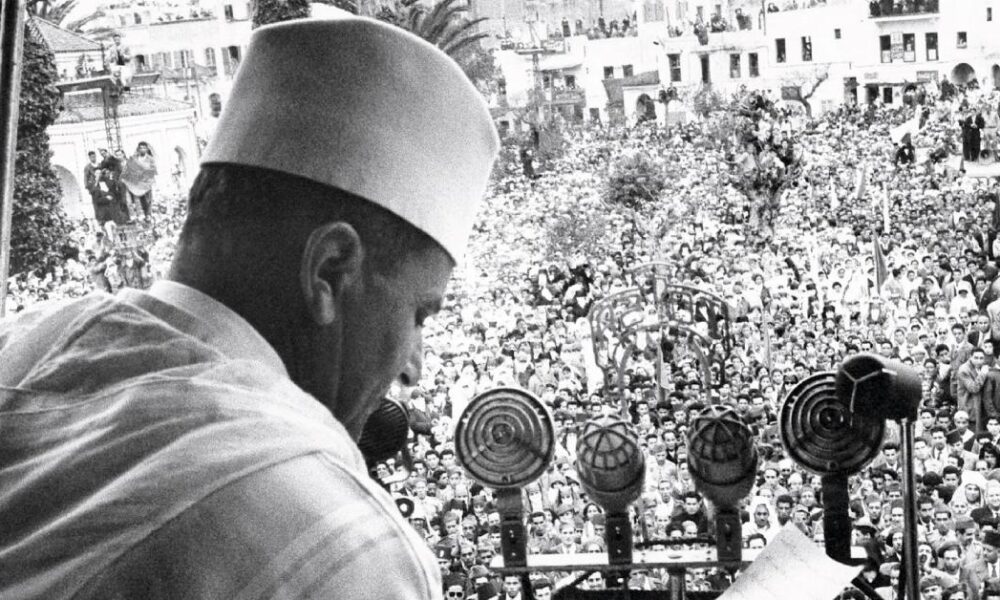
Moroccan Independence Day, the 71st anniversary of the Kingdom’s independence, falls on Wednesday. The national narrative treats it as a bright milestone in the Kingdom’s modern history. In that account, the day embodies the bond between the Alaouite throne and the Moroccan people in defending the nation’s unity, sovereignty and sacred values. It invites a look back at the sacrifices made to end colonial rule, and at a long national struggle that produced an independent, united Morocco.
The account starts with King Mohammed V’s visit to Tangier on April 9, 1947. On that occasion Morocco, king and people, affirmed its attachment to freedom, territorial unity and national identity. The visit built on a nationalist movement that emerged in the early 1930s and turned to political struggle: raising awareness, mobilizing the public and carrying the Moroccan cause to international forums, in the face of policies it called arbitrary.
The protectorate authorities answered with exile. They sent Mohammed V and the royal family away, believing that removing the nation’s symbol would put out nationalist feeling. Instead, the narrative holds, the act lit the Revolution of the King and the People on August 20, 1953, with uprisings in cities and villages across the country. Battles at El Hri, Anoual, Bou Gafer, Jbel Baddou and Sidi Bou Othmane, and uprisings by the Aït Baamrane tribes and in the southern provinces, are cited as the clearest examples of resistance and sacrifice.
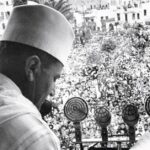
The struggle ended with the return of Mohammed V and the royal family. On November 18, 1955, he announced the end of the protectorate era and the dawn of freedom.
King Hassan II then carried on the work and sought to complete the country’s territorial unity. Sidi Ifni was recovered on June 30, 1969, and the Green March followed on November 6, 1975, which in Morocco’s account led to the recovery of the southern provinces. In parallel, he laid the foundations of a state of democratic institutions and a modern economy.
The same thread runs through each stage: moments when throne and people acted together. Today, the account concludes, the Kingdom under King Mohammed VI is going through a major renaissance across many fields. The focus is on securing territorial unity and on sustainable economic and social development that puts people at the center of public policy.