








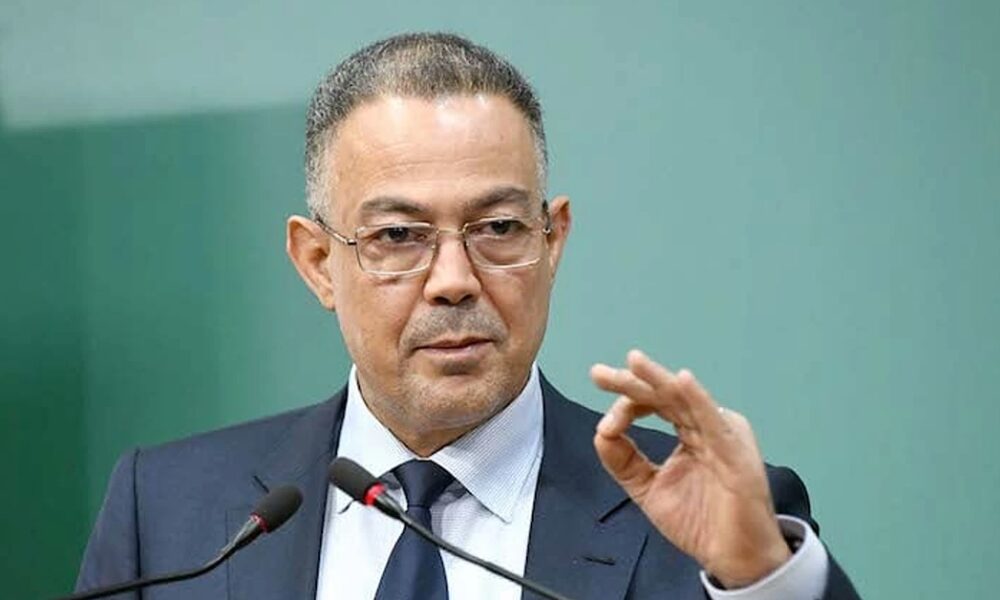
 Morocco's budget minister Fouzi Lekjaa told lawmakers the crypto bill is about bringing digital assets inside a regulated perimeter — not shutting them out.
 Morocco’s budget minister told parliament that a long-awaited bill on crypto assets is designed to fight money laundering, protect monetary policy — and make room for financial innovation at the same time.
When a Moroccan lawmaker asked the government what it planned to do about crypto assets, Fouzi Lekjaa, Minister Delegate in charge of the Budget, did not give a vague answer. In a written response to Idris Sentissi, leader of the Mouvement Populaire group in the House of Representatives, Lekjaa laid out four things the incoming bill is meant to do — and the order he chose them in says a lot about where the government’s head is at.
First on the list: reducing the risks crypto poses to financial stability. Second: limiting the impact these assets could have on Morocco’s monetary policy — on money supply, payment systems, and the effectiveness of the central bank’s tools. Third: strengthening the country’s anti-money laundering and counter-terrorism financing defenses. And fourth — listed last, but present — supporting financial and digital innovation.
“The bill aims to put in place a clear legal framework that regulates the use of crypto assets and limits their exploitation in illegal activities.”
— Fouzi Lekjaa, Minister Delegate for Budget · Written parliamentary response, April 27, 2026
The sequencing matters. Innovation is on the agenda, but it comes after control, stability, and crime prevention. That is the government’s stated priority — and Lekjaa made no effort to dress it up differently.
Who drafted it — and where it sits today
The bill did not emerge from a single ministry working in isolation. Lekjaa confirmed that the Ministry of Economy and Finance coordinated with Bank Al-Maghrib and the Moroccan Capital Market Authority, along with several other relevant institutions, to build a legal and regulatory framework from the ground up. The whole effort, he said, was aligned with the recommendations of the Financial Action Task Force — the international standard-setter for combating money laundering and terrorist financing.
Right now, the text is sitting with the General Secretariat of the Government, still under review. When it does pass, it will introduce licensing requirements for institutions offering crypto services, set the rules for how those institutions operate day-to-day, and define the governance standards they must meet.
A regulated door — not a closed one
Lekjaa was deliberate about one thing: this is not a ban. The bill, he said, is part of a comprehensive approach that balances keeping pace with technological change against protecting Morocco’s financial and economic stability. The state wants crypto inside a regulated perimeter — visible, licensed, and accountable — not pushed further into the shadows.
- Source: 24SAA