




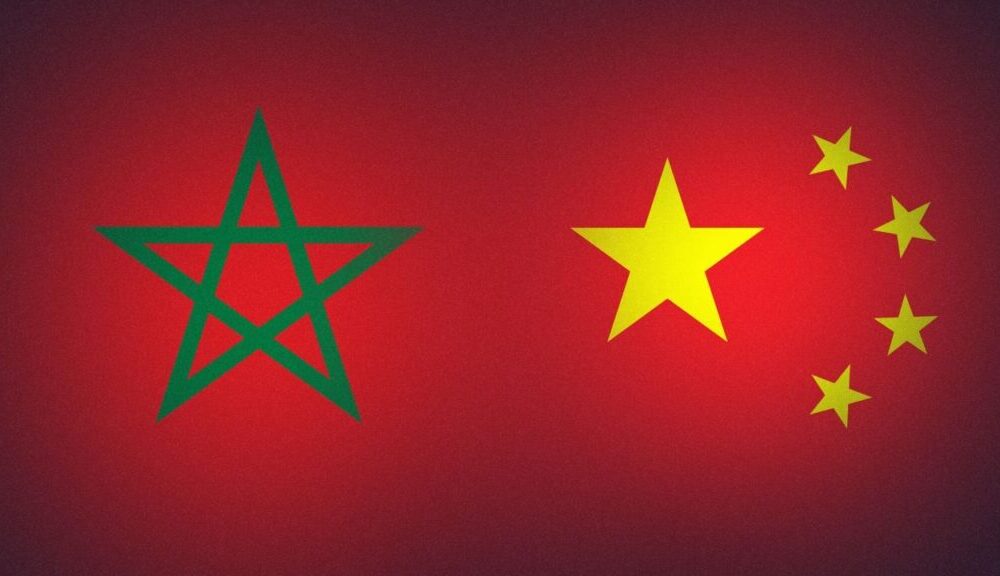
China has started implementing a zero-tariff policy on imports from 53 African countries, expanding a trade initiative previously limited to least-developed nations.
The new framework, which took effect on May 1 and will run until April 30, 2028, excludes only Eswatini due to its diplomatic ties with Taiwan.
According to reporting cited by the BBC, the policy broadens earlier measures that applied to 33 least-developed African countries, signaling a wider push by Beijing to deepen economic ties with the continent.
Among the countries expected to benefit most are Morocco and South Africa, both of which already have relatively developed export sectors compared to many other African economies.
The report notes that countries with stronger industrial and production capacity are better positioned to take advantage of tariff-free access to the Chinese market, while economies reliant on raw material exports may see more limited gains.
China has described the policy as part of its broader commitment to Africa, positioning itself as the first major economy to offer unilateral zero-tariff treatment across most of the continent.
However, analysts warn that tariffs are not the main obstacle facing African exports. Structural issues such as limited industrial capacity and trade imbalances remain key challenges.
Trade between Africa and China continues to be heavily skewed. African exports are largely concentrated in raw materials like oil and minerals, while imports from China remain significantly higher.
The report highlights that Africa’s trade deficit with China rose by 65% last year, reaching around $102 billion.
In Morocco’s case, the policy comes amid ongoing efforts to rebalance trade with China. During recent talks in Beijing, officials discussed ways to increase Moroccan exports and diversify products entering the Chinese market.
Official figures show trade between Morocco and China reached $9.4 billion in 2024, while Moroccan exports accounted for only $401 million, leaving a deficit of nearly $9 billion.
Moroccan officials have emphasized the need for a more balanced and sustainable trade relationship, focusing on higher-value exports and expanded market access.
China remains Morocco’s third-largest trading partner and second-largest supplier, and the removal of tariffs is expected to improve competitiveness for Moroccan products in the Chinese market.
Read also: Morocco, Ecuador Discuss Agreement to Lower Customs Duties