








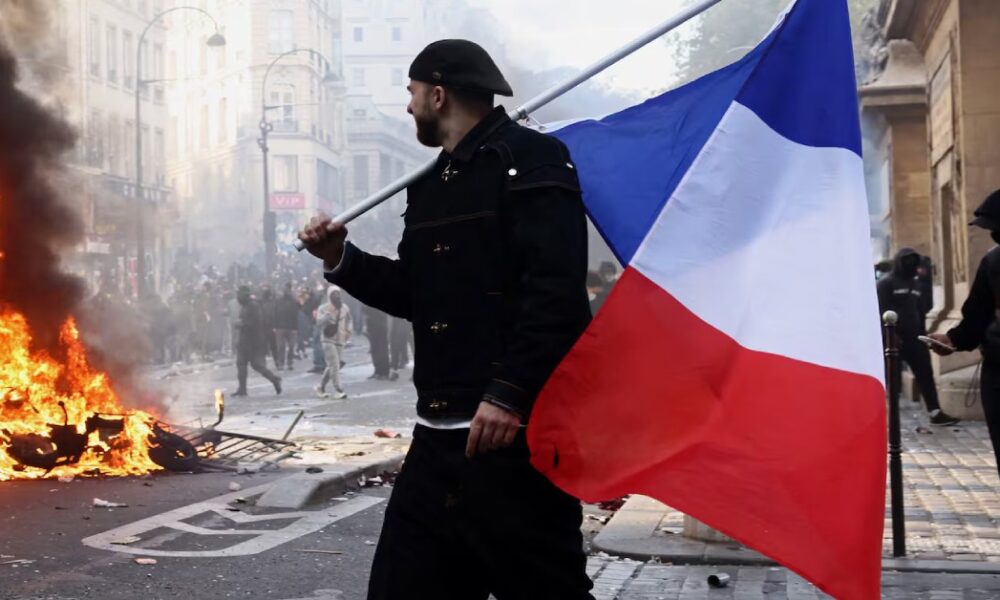
Europe is facing the prospect of further protests as rising living costs, expensive energy and growing public frustration put pressure on governments ahead of winter.
Table Of Content
Demonstrations have spread across several countries, including France, Italy, Spain, Portugal and Greece. Although the protests have different local causes, many reflect wider concerns over housing, public services, fuel prices and the ability of governments to respond to everyday economic pressures.
In an analysis published on October 22, POLITICO warned that Europe could face a difficult autumn and winter, as economic concerns combine with growing youth discontent and political tensions.
Economic pressure drives protests across Europe
France has emerged as one of the main centres of unrest. Protests over the cost of living have brought together different groups, including students concerned about education and citizens demanding stronger action on household expenses.
Italy is facing a separate wave of pressure over fuel prices. Truckers have staged road blockades, disrupting supply chains and raising concerns about the impact on fuel distribution and other essential services.
Housing costs have also become a major source of public anger. In Spain and Portugal, rising property prices and concerns over affordable accommodation have drawn people into the streets. Meanwhile, students and teachers in Greece have called for more education funding, safer school buildings and more affordable housing.
These movements do not share a single cause. However, they point to a common concern: many people feel that the cost of living is rising faster than their ability to manage it.
Why winter could deepen the crisis
The coming months may add to the pressure. Higher energy bills could leave households with less money for other essential expenses, while rising fuel costs may increase transport and business expenses.
POLITICO cited concerns that the end of government support measures designed to shield households from energy price increases could fuel further public discontent. Germany was also identified as a country to watch because of concerns over its gas reserves and the possible impact on heating costs.
At the same time, governments face limits on how much financial support they can provide. High borrowing costs and strained public finances make it harder to expand assistance while maintaining spending on public services.
The Guardian, in its October 21 analysis of Europe’s protests, also highlighted the wider social pressures behind the demonstrations. These include concerns about affordable housing, unequal opportunities and the quality of public services, particularly among younger generations.
The protests therefore extend beyond short-term price increases. They also reflect broader questions about living standards and whether public institutions are meeting citizens’ expectations.
Political consequences could extend beyond the streets
The unrest comes as several European countries approach important elections. Economic dissatisfaction could become a major campaign issue, putting pressure on established political parties and creating opportunities for opposition movements.
However, the protests do not necessarily point towards a single political outcome. Their demands vary from country to country, and public anger over prices or services does not automatically translate into support for a particular party.
Governments now face the challenge of addressing immediate concerns while responding to deeper social problems. Their handling of energy costs, housing pressures and public services could influence both the scale of future demonstrations and the political debate in the months ahead.
As winter approaches, Europe’s main concern is whether these separate movements will remain localised or develop into a wider period of sustained unrest. The answer will depend not only on energy prices and household budgets, but also on how governments respond to the grievances driving people onto the streets.