





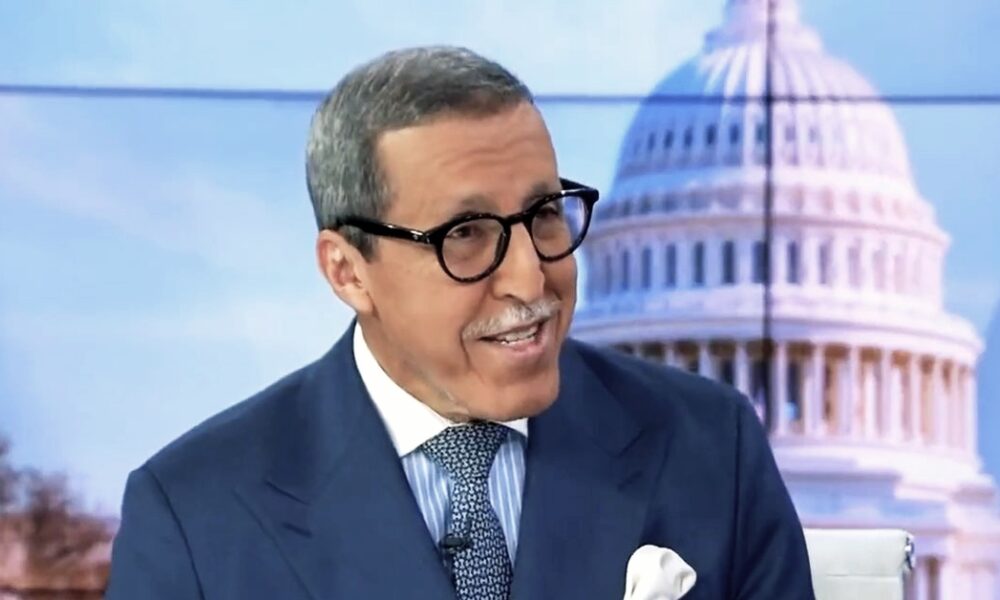
Morocco’s ambassador to the United Nations, Omar Hilale, said Monday that a Russian veto could block a Security Council resolution but would not change Morocco’s sovereignty over its Sahara or alter the future of the political process.
Speaking before the UN General Assembly, Hilale addressed the Russian veto of a US draft resolution linked to the renewal of MINURSO’s mandate.
“The Sahara was Moroccan before October 30, it is even more Moroccan after October 30, and it will remain Moroccan until the end of time”, Hilale said.
However, his intervention went beyond the symbolic statement. Hilale argued that the October 30 veto was not the cause of the decades-long deadlock but rather a consequence of it.
According to the Moroccan diplomat, the UN process has entered a new phase. He said Security Council Resolution 2797 marked a major shift by moving the issue away from simply managing the conflict toward seeking a final political settlement.
Autonomy remains at the center
Hilale said Morocco’s autonomy plan under Moroccan sovereignty remains the basis for a final settlement.
He argued that autonomy provides a form of self-governance and represents a practical way to achieve self-determination.
The ambassador also pointed to previous discussions involving Morocco, Algeria and the Polisario Front. He said the parties had discussed the autonomy proposal during talks held under international facilitation.
Hilale used much of his speech to directly challenge Algeria’s role in the conflict.
Through six questions, he accused Algiers of contributing to the political deadlock while refusing to fully acknowledge its role as a party to the dispute.
“The blockage is neither in Rabat, which has fulfilled its commitments, nor in New York, which has tried everything”, Hilale said. “It is in Algiers, which has refused everything”.
A veto, but no change in direction
The strongest message from Morocco’s intervention was that the Russian veto did not alter Rabat’s position or what it sees as the wider direction of the UN process.
“A veto can end a mandate, but it will change neither history nor Morocco’s sovereignty over its Sahara”, Hilale said.
The ambassador also argued that the international community should focus on reaching a lasting political solution rather than allowing the dispute to remain frozen.
He renewed Morocco’s support for autonomy under Moroccan sovereignty as the path toward a final settlement.
The debate came after Russia used its veto at the Security Council on October 30 against a US draft resolution concerning the renewal of MINURSO’s mandate.
For Rabat, Hilale’s message before the General Assembly was clear: the veto may have created a new diplomatic obstacle, but Morocco believes it has not changed the fundamental direction of the Sahara process.
- Source: MAP