




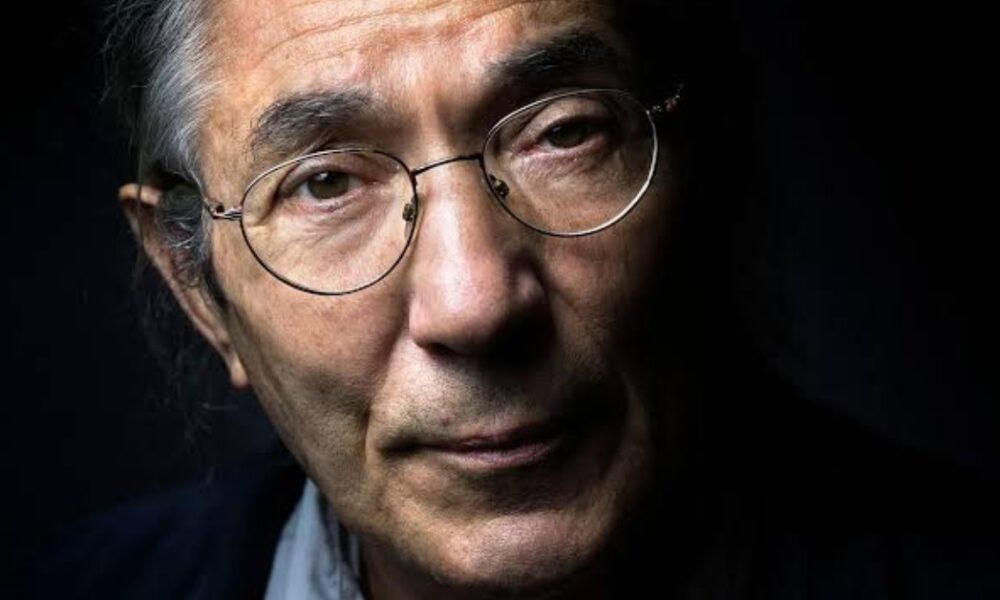
Algerian writer Boualem Sansal has accused the Algerian regime of deliberately fueling hostility toward Morocco and exploiting the rupture between the two countries for political ends. In an interview with 24 Saa published on October 28, Sansal discussed relations between Rabat and Algiers, the Moroccan Sahara, and the political future of Algeria.
Sansal also spoke about his planned cultural tour of Casablanca, Rabat, Tangier and Dakhla, organized by Le360. He shared his views on the historic links between Morocco and western Algeria and called for a fresh look at relations between the two countries.
- What does returning to Morocco mean to you after so many years?
Returning to Morocco is a meaningful experience for me. I feel a strong connection to the country, its people and its culture. The ties between Morocco and western Algeria go back many years. Families, traditions and shared history connect the two sides of the border.
- You have spoken about the historical links between Morocco and western Algeria. How do you view these ties today?
The links between the two regions existed long before modern borders divided them. French colonial rule changed the borders and shaped the political map of the region.
However, recognizing this history does not mean calling for a return to old borders. African countries agreed in 1964 to respect the borders they inherited at independence. That principle remains important for regional stability.
The real challenge today is to protect shared cultural ties and build better relations between neighboring countries.
- What is your view of the Moroccan Sahara issue and Dakhla’s strategic importance?
The Moroccan Sahara is Moroccan. I also view the autonomy plan as a wise and practical way to address the dispute.
Dakhla has major strategic value because of its location on the Atlantic coast. It can serve as a link between North Africa, the Sahel and countries across West and Central Africa.
Its role could extend beyond trade. The city could become an important hub for transport, investment and regional cooperation. In this sense, its wider importance could be compared to that of major global maritime routes.
- How do you assess Algeria’s current political situation and its future?
Algeria faces serious political and economic challenges. The country needs stronger institutions, greater political openness and a clearer path toward reform.
I believe the military leadership holds significant power over political decisions, including those made by President Abdelmadjid Tebboune. This concentration of power raises questions about the country’s future.
Without meaningful change, Algeria could face further political and economic difficulties. Its leaders need to focus more on the needs of citizens and less on political disputes with neighboring countries.
- Who do you believe is responsible for the breakdown in relations between Morocco and Algeria?
The Algerian leadership bears major responsibility for the current rift. The decision to cut diplomatic ties and keep the land border closed has deepened the divide between the two countries.
Political rhetoric and hostile media coverage have also made the situation worse. They encourage mistrust and make it harder for people on both sides to see what they share.
The two countries have much to gain from cooperation. Better relations could support trade, regional security and economic development. Keeping the border closed and allowing political tensions to continue only makes that goal harder to reach.
- Source: 24 Saa, interview with Boualem Sansal