




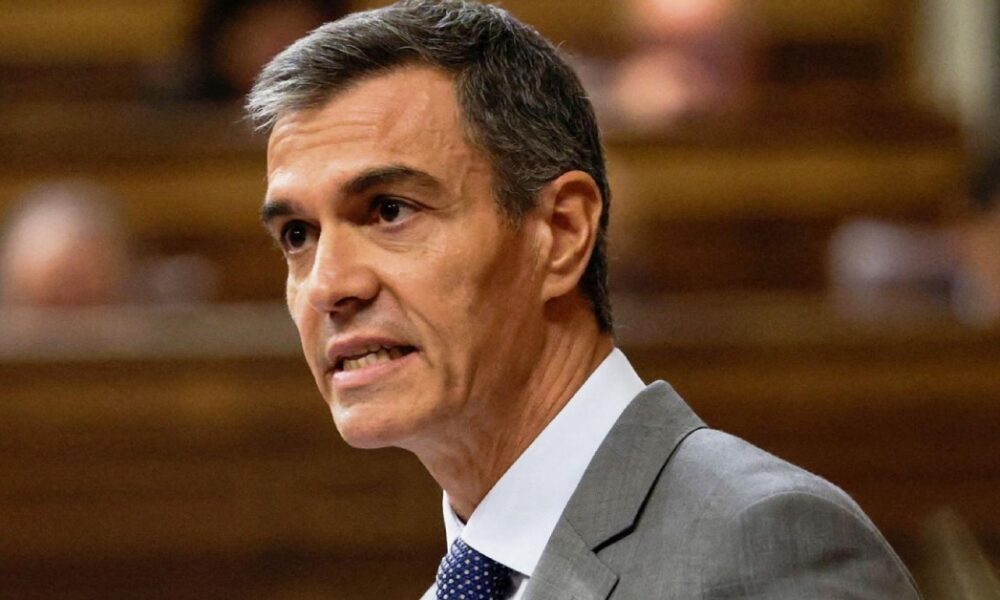
Spanish Prime Minister Pedro Sánchez on Sunday, November 8, renewed Madrid’s support for Morocco’s autonomy proposal in the Sahara, calling it the most workable way to end the dispute. He rejected the idea that the shift Spain announced in 2022 grew out of a deal or mutual concessions with Rabat.
In an interview broadcast by the Spanish program “Memorias de Pez”, Sánchez said a dispute that has dragged on for more than five decades has led European countries and Security Council members to take a fresh look at the chances of a settlement.
Spain’s position reflects political conviction, not something Madrid received in return from Morocco. — Pedro Sánchez, as reported from the interview
The remarks reinforce the line his government set four years ago, when it called the autonomy initiative a serious and realistic basis for resolving the dispute. The decision stirred debate within Spain and in its relationships.
Sánchez kept his Sahara position apart from the dispute over Occupied Ceuta and Occupied Melilla. “Spanish sovereignty over the two cities was never up for negotiation with Morocco”, he said. Good-neighbourly policy rests on cooperation and mutual respect, without crossing what Madrid sees as “red lines on its territorial unity”.
He also addressed the arrival of large numbers of migrants in Occupied Ceuta on July 30 and 31. He refused to blame Morocco before the judicial and security investigations conclude. Authorities have requested six intelligence reports and analyses on possible causes, he said. They include the economic gaps on either side of the border, the fallout from a Spanish court ruling on returns through border crossings, and the possibility of political motives behind the events.
Despite the migration tension, Sánchez defended continued cooperation with Rabat. Border control takes coordination between the two countries, he said, and political conclusions should rest on what the investigations find, not on speculation.