
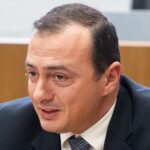



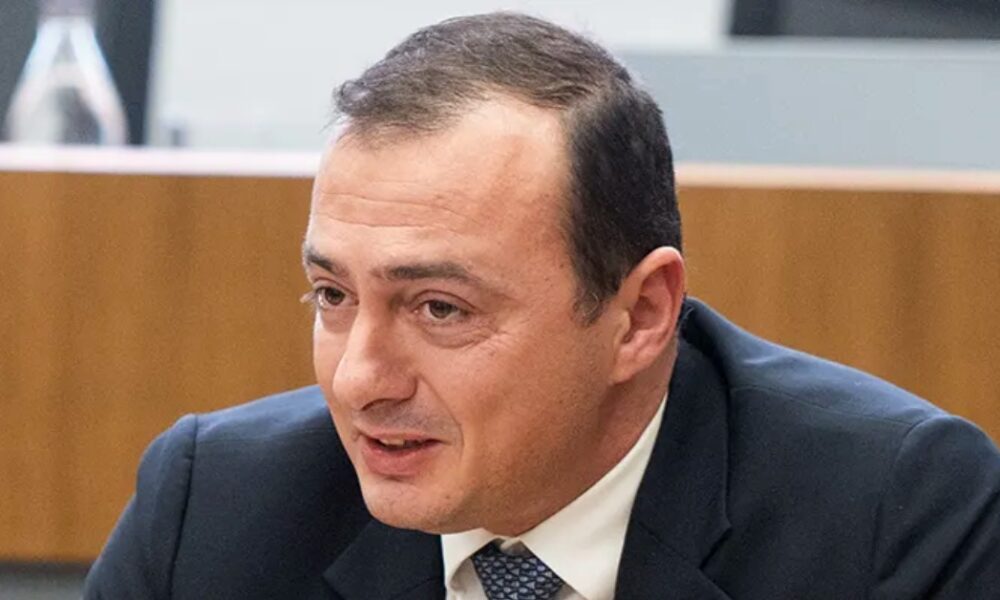
At 41, Ali Seddiki has become a key figure in one of Morocco’s most ambitious industrial projects. He has built his career around investment, manufacturing and industrial development. Now, he has a new task: helping prepare the country’s defense and security industry roadmap.
Table Of Content
King Mohammed VI entrusted him with this responsibility on November 25. The appointment marks a new chapter in a career closely linked to Morocco’s industrial transformation.
But who is Ali Seddiki? And how has his experience prepared him for this role?
An Early Career Built Around Industry
Born on May 28, 1985, Seddiki graduated from HEC Paris. He studied corporate finance, strategy and accounting.
Before joining public administration, he worked for a strategy consultancy in Paris. He focused on industry and advanced technology, including aerospace, energy and mobility. This work gave him insight into how major companies operate and how industrial supply chains develop.
In 2014, he joined Morocco’s Ministry of Industry as an adviser to then-minister Moulay Hafid Elalamy. He took part in the Industrial Acceleration Plan for 2014–2020. The plan aimed to strengthen manufacturing, attract investment and create industrial jobs.
His responsibilities grew in 2017. He then became director of the industries covering aeronautics, railways, shipbuilding and renewable energy.
This role brought him closer to sectors that would later support Morocco’s defense ambitions. These included aerospace and naval manufacturing.
In January 2019, he took another major step. He became Director General of Industry. In this position, he oversaw several sectors, including automotive manufacturing, textiles, agri-food, steel, chemicals and electronics.
From Industrial Policy to Investment Promotion
After several years at the Ministry of Industry, Seddiki moved into investment policy.
In April 2022, he became Director General of Investment and the Business Climate at the Ministry of Investment, Convergence and the Evaluation of Public Policies.
A few months later, King Mohammed VI appointed him Director General of the Moroccan Investment and Export Development Agency (AMDIE). The appointment came on July 13, 2022. He replaced Youssef El Bari.
At AMDIE, Seddiki took on a different role. He focused on attracting local and foreign investment, supporting Moroccan exporters and promoting the country as a business destination.
One of the agency’s main tools is the Morocco Now brand. Launched in 2021, it promotes Morocco as an industrial and export hub.
In a 2023 interview with Business Focus, Seddiki explained AMDIE’s mission. He said the agency works to attract and support investment while strengthening Morocco’s economic presence abroad.
He also highlighted the need to guide investors through every stage of their projects. This includes the early research phase and the start of operations.
Under his leadership, the agency has also supported major investment projects. Figures presented to its board in January 2026 show that AMDIE helped assess 250 public and private projects. These projects later received approval. Together, they represent MAD 414 billion in investment and more than 179,000 expected direct and indirect jobs.
Why His Experience Matters for the Defense Industry
Seddiki’s latest assignment brings together several sectors he has worked in throughout his career.
On November 18, he presented Morocco’s proposed defense and security industry roadmap. The presentation took place during a working session chaired by King Mohammed VI at the Royal Palace in Rabat. Lieutenant General Mohammed Berrid, Inspector General of the Royal Armed Forces and Commander of the Southern Zone, also attended.
One week later, the King gave Seddiki another responsibility. He tasked him with overseeing the operational preparations for the roadmap’s implementation. This work will respect the roles of the institutions involved. It will also continue while the authorities prepare to establish a dedicated strategic agency.
The assignment draws on Seddiki’s experience in industry and investment. Morocco’s defense ambitions will require more than new factories. The country will also need to attract investors, develop local suppliers and train skilled workers. It must also connect domestic production to international markets.
The roadmap sets ambitious targets for 2035. It aims to create around 50,000 direct and indirect jobs. It also seeks to meet about 40% of the needs of the Royal Armed Forces and security services. Exports should generate more than 65% of the industry’s revenue.
The plan identifies six priority areas. These include drones and autonomous systems, land systems, naval systems, defense electronics, cyber defense and artificial intelligence.
Private companies will play an important role in this effort. On November 25, the authorities signed two framework agreements to support the roadmap’s financing. The agreements aim to mobilise public and private investment. The funding package amounts to nearly MAD 22 billion, including MAD 4 billion from the Hassan II Fund for Economic and Social Development.
A New Test for an Industrial Strategist
The defense industry assignment marks a major extension of Seddiki’s previous work.
His career has taken him from industrial policy to investment promotion. This has given him experience in developing manufacturing sectors and attracting the investment they need to grow.
However, the defense industry brings a new set of challenges. It requires advanced technology, specialised skills and strict quality standards. It also depends on long-term cooperation between public institutions and private companies.
A dedicated strategic agency should provide a permanent structure to guide the sector’s development. Until its creation, Seddiki will oversee the preparations needed to put the roadmap into action.
His new role places him at the centre of Morocco’s industrial ambitions. It also links those ambitions to the country’s efforts to strengthen its technological and industrial capabilities.
The challenge now is to turn the strategy into a working industrial sector. Morocco will need to build local production, attract investment and compete in international markets.