





 Aicha Duihi tells the UN Human Rights Council that decades of aid to Tindouf cannot replace real rights protections
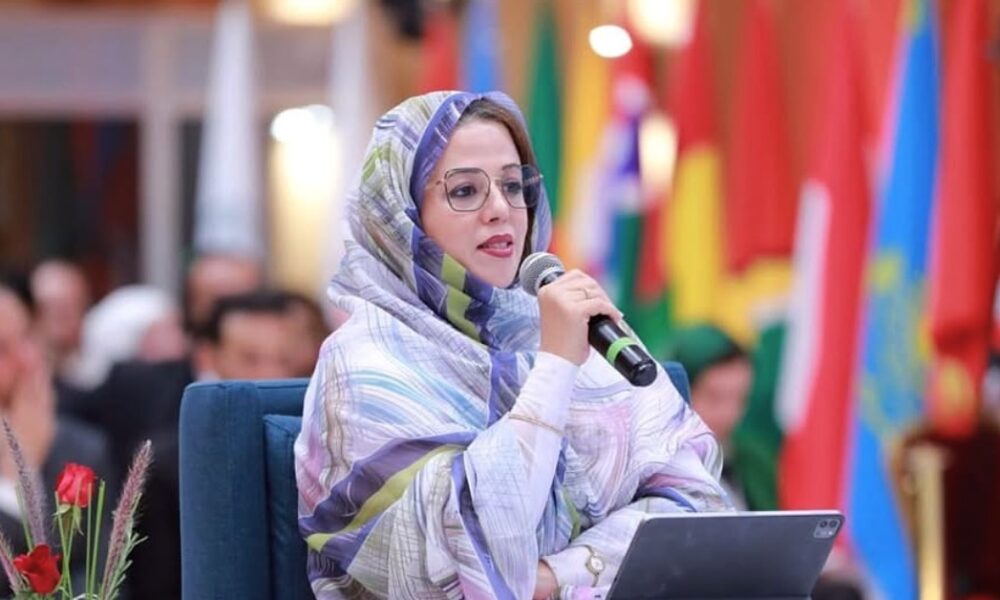
 Sahrawi activist Aicha Duihi called Tuesday, before the 63rd session of the United Nations Human Rights Council (HRC) in Geneva, for strengthened, “regular and independent” access by relevant UN human rights mechanisms to the Tindouf camps, as well as for support for effective and independent mechanisms for receiving complaints and ensuring access to remedies.
Speaking on behalf of the NGO PDES during the general debate on the oral update by the UN High Commissioner for Human Rights, Duihi drew the Council’s attention to the situation of populations living in the Tindouf camps, stressing that the persistence, over several decades, of humanitarian and protection concerns calls for a shift from the long-term management of needs toward stronger guarantees of “effective and sustainable” protection.
She stressed that protracted humanitarian situations should not become “protection blind spots”, recalling that “while humanitarian assistance remains indispensable, it cannot substitute for the safeguards required to protect individual rights, nor for independent monitoring, or for effective access to complaint and redress mechanisms”.
According to Duihi, the situation in the Tindouf camps highlights the responsibility of all relevant parties, each within the scope of their respective obligations and competencies. The host state, she said, bears an essential responsibility to ensure an environment that respects the fundamental rights of persons present on its territory, facilitate their access to complaint and redress mechanisms, and cooperate with United Nations mechanisms and independent monitoring processes. At the same time, she added, international responsibility remains essential to ensure that protection situations in protracted contexts are not left outside regular and effective monitoring.
Duihi also encouraged periodic assessments of human rights and protection needs in order to promote a “more transparent, effective and sustainable” response.
“The protracted nature of a crisis should not result in a protracted protection gap”, she said, stressing that rights do not lose their force with the passage of time, nor does the need for monitoring become less urgent simply because a humanitarian situation has gradually become part of the established international landscape.
She finally called for translating the principles of protection into tangible safeguards for individuals, and for preventing the persistence of a crisis from becoming a justification for the continued absence of rights-based solutions.
- Source: MAP