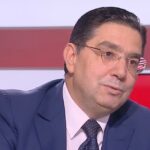


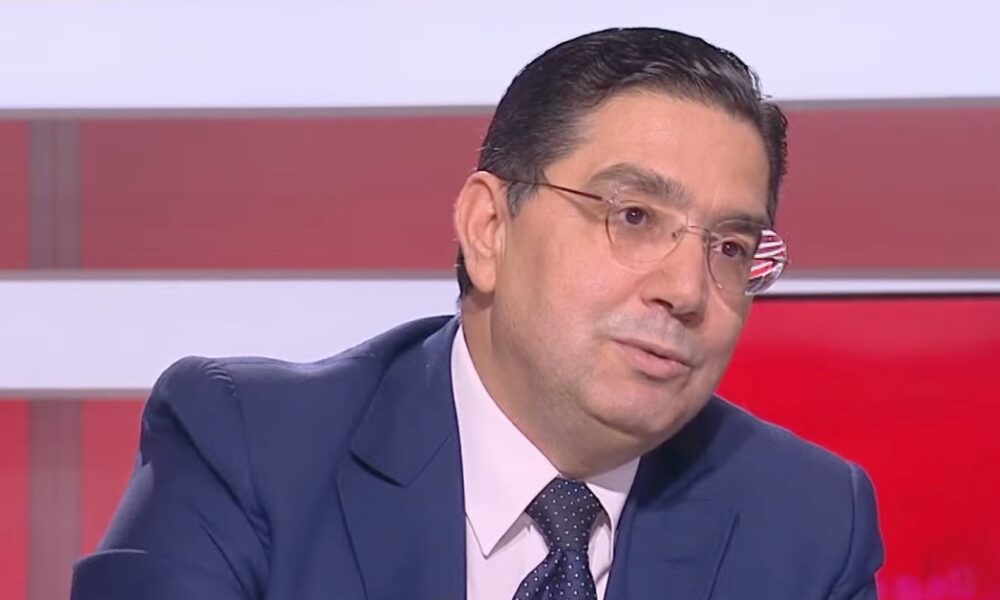
Morocco knew in advance that Russia could use its veto against the US draft resolution on the Moroccan Sahara, Foreign Minister Nasser Bourita said on Saturday.
Table Of Content
However, Morocco chose not to make political concessions to secure another extension of the UN Mission (MINURSO), Bourita said.
Speaking to Morocco’s 2M television channel on October 31, Bourita said Rabat saw the end of the mission’s mandate as an opportunity to open a new phase in dealing with the issue at the United Nations.
The comments followed a Security Council vote on October 30, when, according to the report, US and Russian draft resolutions failed to secure approval. As a result, MINURSO’s 35-year mandate ended without renewal.
Morocco Did Not Seek to Prevent Russian Veto
Bourita said Moscow’s position did not come as a surprise to Rabat.
He explained that Moroccan diplomacy could have pushed for changes to the wording of the US draft resolution. It could also have sought to soften parts of the text to avoid a Russian veto.
Instead, Morocco chose not to give up what Bourita described as political gains in exchange for another extension of MINURSO’s mandate.
According to the minister, Morocco did not view the adoption of the resolution as an objective in itself. Instead, the country weighed the value of continuing the existing UN mechanism against the possibility of moving toward a new framework.
Bourita said this new phase could reflect growing international support for Morocco’s autonomy initiative.
Morocco Seeks New Approach at the United Nations
Bourita also discussed the future of the Moroccan Sahara issue at the Security Council.
He said the end of MINURSO’s mandate removes the practical basis for regular meetings, reports and briefings linked to the mission.
Therefore, Morocco’s position goes beyond ending MINURSO’s field presence. Rabat also wants to change the UN approach that has repeatedly brought the issue before the Security Council without producing a final settlement.
This position is in line with the Royal Cabinet’s statement issued on October 30. The statement described the lack of a mandate renewal as an important step toward closing the issue within the UN system.
Autonomy Plan Remains at the Center
Bourita stressed that Morocco does not seek to block a peaceful settlement.
Instead, he said Morocco remains committed to its autonomy initiative under Moroccan sovereignty as the basis for future negotiations.
The minister also said Morocco plans to continue its diplomatic efforts within other UN bodies.
He specifically referred to the UN General Assembly’s Fourth Committee. Morocco wants to translate international support for its position into institutional backing, he said.
According to Bourita, Morocco’s focus now extends beyond the future of MINURSO itself.
With the mission’s mandate ending without an agreed replacement, Rabat wants to use this moment to push for a new political framework.
Under Morocco’s approach, the autonomy initiative would form the basis of a future settlement instead of returning to mechanisms that have remained in place for 35 years.