
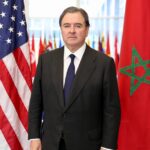


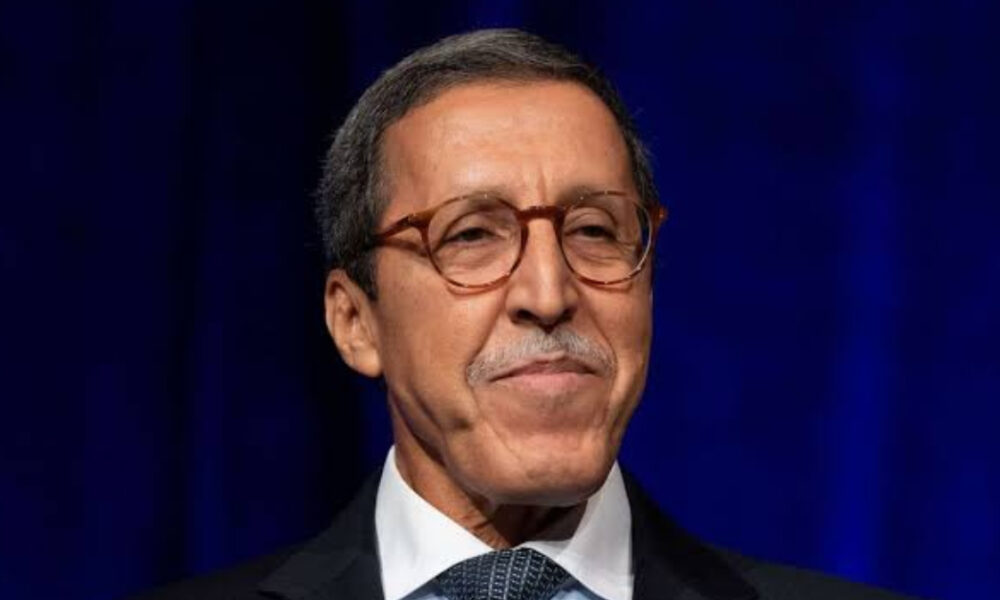
Morocco’s Permanent Representative to the United Nations, Omar Hilale, says the country is entering a new diplomatic phase following the end of the UN Security Council’s mandate for the MINURSO mission.
Table Of Content
In an interview with Medi1 TV on Sunday, November 1, Hilale discussed the preparations for the mission’s departure, the Russian veto of the US draft resolution, and the future of Morocco’s diplomatic relations with Moscow.
He said UN officials had contacted MINURSO’s head immediately after the Security Council vote to begin preparations for the mission’s departure. The Moroccan delegation also held discussions with UN peacekeeping officials to coordinate the practical arrangements.
Hilale stressed that Morocco would cooperate to ensure an orderly withdrawal. He said Moroccan civilian and military authorities would provide assistance in areas including security, logistics, healthcare and humanitarian support. He added that UN personnel would retain their privileges and immunities until the last member of the mission leaves.
Four US proposals at the centre of the dispute
Hilale also outlined four key provisions in the US draft resolution that, according to him, faced opposition.
The first welcomed an updated version of Morocco’s Autonomy Plan. The second proposed making the plan the sole basis for resolving the dispute, under Moroccan sovereignty.
The third involved changing MINURSO’s name by removing the reference to a referendum. Hilale described this as a symbolic break with the mission’s approach over the past 35 years.
The fourth concerned the Tindouf camps. It included provisions on identifying and registering their population, as well as finding lasting solutions under the supervision of the UN refugee agency.
The US draft received 11 votes in favour at the Security Council but was blocked by Russia’s veto. Hilale argued that the proposed changes threatened Algeria’s diplomatic position and accused Algiers of working to prevent the draft from passing. These remarks reflect the ambassador’s assessment of the vote.
Russian veto will not affect ties with Moscow
Despite his criticism of Russia’s position at the Security Council, Hilale said the veto would not damage relations between Rabat and Moscow.
He pointed to the two countries’ long-standing ties and their strategic partnership, established in March 2016 during a meeting between King Mohammed VI and Russian President Vladimir Putin.
Hilale said Morocco had never asked its international partners to choose between Rabat and Algiers. He also stressed that the country had not been willing to make concessions on its core positions simply to avoid a Russian veto.
“Our sovereignty comes above all other considerations”, he said.
Tindouf camps remain a humanitarian concern
The ambassador also addressed the issue of registering the population of the Tindouf camps. He maintained that the responsibilities of the UN High Commissioner for Refugees remain in place, regardless of the outcome of the Security Council vote.
Hilale referred to three lasting solutions for refugees: integration into the host country, voluntary return to their country of origin, or resettlement in a third country.
He argued that the rejected US draft would have given further political support to efforts to address the issue. He also said it would have broadened participation in discussions to include Sahrawis living in the southern provinces, members of the diaspora and people in the Tindouf camps.
Morocco plans to maintain its diplomatic course
Hilale said Morocco intends to continue developing its southern provinces while managing the MINURSO withdrawal and maintaining its international partnerships.
He pointed to infrastructure, universities, hospitals and the planned Dakhla Atlantic Port as examples of ongoing development in the region.
The ambassador also criticised the Polisario Front’s changing positions on the UN political process. He argued that recent developments had exposed divisions over the next steps and reinforced, in his view, Algeria’s central role in the dispute.
Hilale described October 30 as a turning point, saying that the period after that date would mark a new diplomatic phase for Morocco.