







 Scholars and translators discuss Ibn Battuta’s Rihla and its worldwide cultural and literary impact during SIEL in Rabat.
 The universality of Ibn Battuta’s travel narrative and the challenges of translating his work were the focus of a conference held on Friday during the 31st edition of the International Publishing and Book Fair (SIEL) in Rabat.
Table Of Content
Ibn Battuta as a cultural bridge
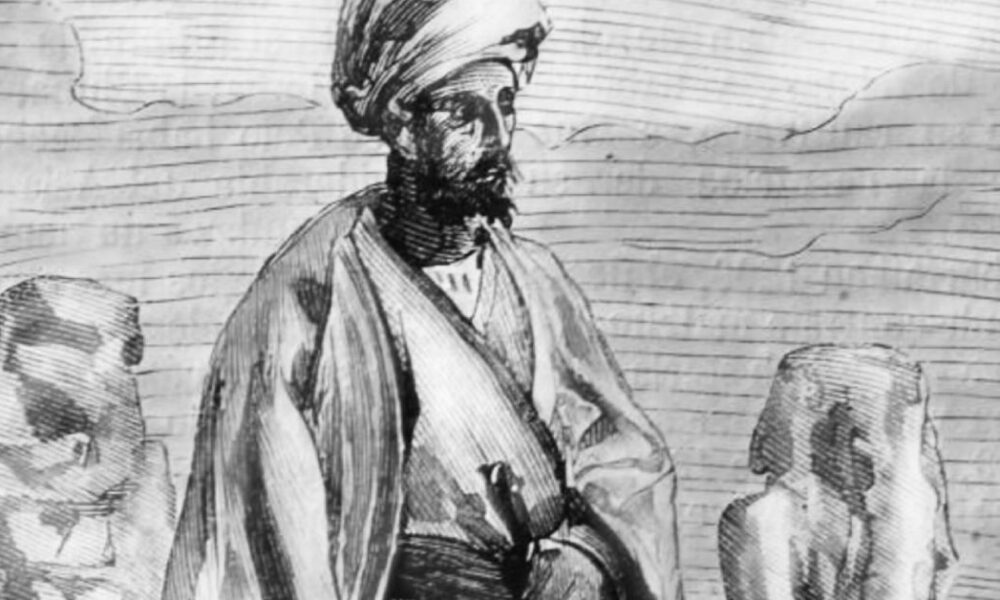
Under the theme “Ibn Battuta in the Languages of the World”, the event brought together academics and translators from various countries to highlight the enduring legacy of the famous Moroccan traveler. His work is widely seen as a cultural bridge connecting civilizations across time and geography.
University professor Abdennabi Dakkir noted that Ibn Battuta, known as Shams al-Din al-Tanji, remains one of Morocco’s most influential historical figures, having shaped the global image of the country through his journeys across more than 40 countries.
Global reach of the Rihla
Speakers emphasized that Ibn Battuta’s Rihla has been translated into dozens of languages, reflecting its universal appeal. The text, written eight centuries ago, continues to help readers better understand diverse cultures and societies.
British writer and translator Tim Mackintosh-Smith explained that his English translation aimed to make the work more accessible through a condensed and adapted version. He also highlighted Ibn Battuta’s ability to interpret foreign customs using familiar references for his readers.
Translation challenges and perspectives
Turkish researcher Abdulsait Aykut shared insights from his full Turkish translation of the Rihla, a project that took eight years and relied on over 600 sources. He described the work as a key reference for understanding Anatolian history and early Ottoman society, particularly its social structure and the role of women.
Italian scholar Claudia Tresso focused on preserving the poetic rhythm of the original text. She highlighted major themes such as Ibn Battuta’s accounts of the Black Death across continents and his observations on women and children.
Chilean publisher Patricio Gonzalez added a Latin American perspective, linking classical travel narratives with modern storytelling traditions, and noting the continued influence of Ibn Battuta’s narrative style on contemporary travel literature.
SIEL in numbers
This year’s SIEL edition hosts 891 exhibitors from Morocco and 60 countries across Arab, African, European, Asian, and American regions. The fair features more than 130,000 titles and over 3 million books, covering a wide range of knowledge fields and creative disciplines.
- Source: MAP