






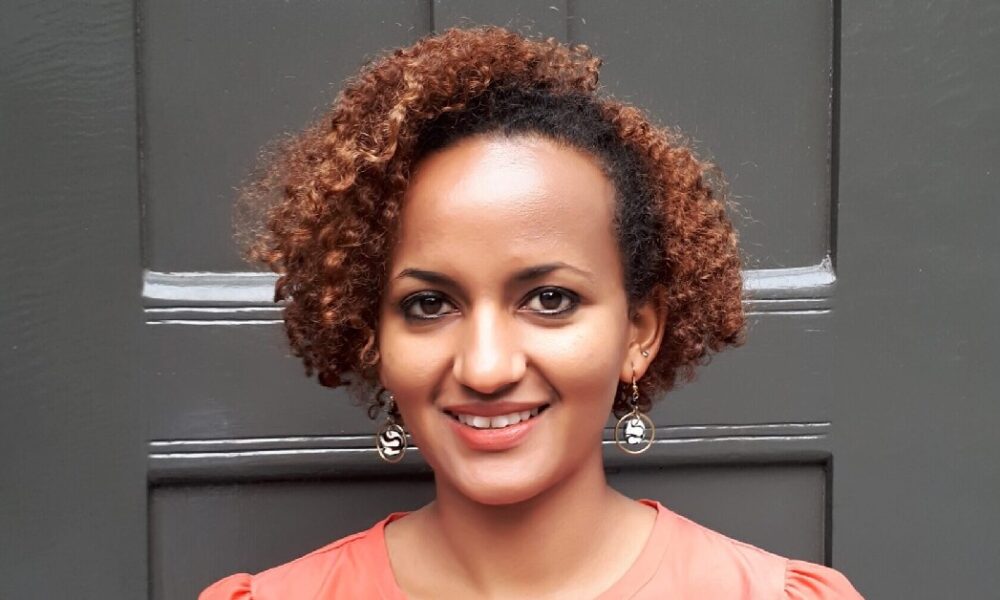
 "Rabat shaped the decision" — Lidet Tadesse Shiferaw.
 Morocco emerged as one of the most prominent actors inside the Africa-India consultations surrounding the postponement of the fourth India-Africa Forum Summit, originally scheduled in New Delhi between 28 and 31 May 2026. Rabat, Ethiopian researcher Lidet Tadesse Shiferaw told 24SAA/MT exclusively, played the role of “strategic intermediary” — bringing positions closer and helping shape the collective decision, drawing on its pivotal position within the African Union and its established experience in Africa-Asia and Africa-Europe cooperation.
The Moroccan push, Shiferaw explained, focused specifically on advancing continental consensus around a core principle: that health readiness is not a precondition for holding a summit — it is a prerequisite for sustainable development and biosecurity across the continent. In doing so, Rabat reframed what could have been read as a postponement of convenience into a statement of African strategic intent.
Rabat played the role of strategic intermediary — bringing positions closer and shaping the collective decision, drawing on its pivotal position within the African Union.
— Lidet Tadesse Shiferaw · Exclusive interview with 24SAA/MT · 27 May 2026
This role, Shiferaw noted, reinforces Morocco’s standing as a diplomatic and economic bridge between Africa and Asia, and confirms Moroccan diplomacy’s capacity to unify African positions at sensitive moments — ensuring that the next summit becomes an implementation platform built on clear and actionable mechanisms, rather than symbolic political declarations.
From aid logic to sovereignty — the shift Morocco helped accelerate
The broader consultations, Shiferaw revealed, went well beyond questions of health logistics. They moved toward a reformulation of the summit’s philosophy — to ensure Africa’s presence as a partner with decision-making tools, not as a recipient of external initiatives. Inside the negotiations, an undeclared coordination agenda took shape: linking future Indian financing directly to pharmaceutical manufacturing localisation, medical equipment production inside the continent, health technology transfer and local capacity-building.
A joint Africa-India public health facility worth $2.5 billion is in preparation, with direct empowerment of African institutions including the African Medicines Agency and national response centres. The trade backdrop gives that figure weight: India-Africa exchanges exceeded $150 billion in 2025, with projections pointing toward $200 billion by 2030. Both sides now recognise that growth of that scale cannot be sustained without reinforcing health infrastructure and biosecurity. The shift, in Shiferaw’s reading, marks a transition from the logic of traditional aid to the logic of mutual interest and shared sovereignty — a transition Morocco helped accelerate.
“Africa is no longer waiting for invitations to dialogue”, Shiferaw concluded. “It now imposes the conditions of its participation according to its sovereign priorities”. The postponed summit, she added, may ultimately prove more consequential than the one that was planned.