






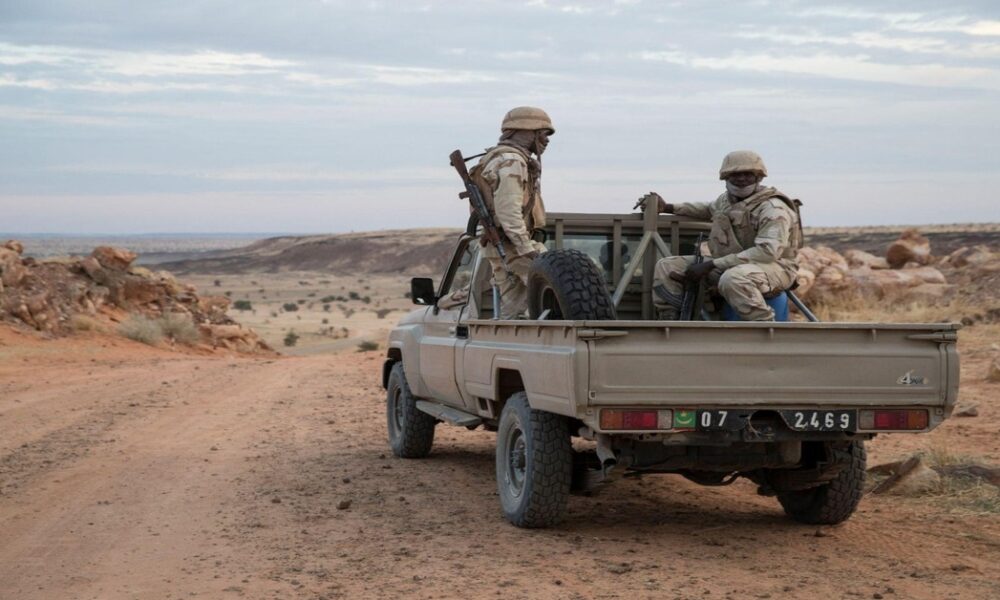
Mauritania has tightened security along its northern border after an armed group linked to the Polisario Front reportedly entered its territory. Mauritanian army units surrounded the group following the reported incursion.
According to Moroccan news outlet 24 Saa, the group, known as the “Reserve Brigade,” entered Mauritania from Algeria. It then travelled several kilometres inside the country before Mauritanian forces moved to contain it.
Sources from the Tindouf camps told the outlet that the army surrounded the group on Friday, November 20.
The group reportedly included between 14 and 20 armed members. They travelled in several vehicles and a truck. Mauritanian forces first asked them to hand over their vehicle keys. The group agreed to the request.
However, tensions rose when the army asked them to surrender their weapons and ammunition. The group refused and asked for time to contact its leadership in Rabouni, in the Tindouf camps.
According to the same sources, the leadership told its members to wait for further instructions. It also advised them not to hand over their weapons. Mauritanian forces continued to surround the group.
As of November 23, Mauritanian authorities had not issued an official statement confirming the incident or explaining how they planned to handle it.
Mauritania Tightens Security Near Its Northern Border
The reported incident comes as Mauritania steps up security across its northern desert regions. The authorities are paying particular attention to areas close to the country’s borders.
In a separate move, the Mauritanian News Agency reported a visit by Tiris Zemmour Governor Idrissa Demba Korera to the Bir Moghrein district. He was accompanied by Mohamed Yahya Ould Ahmed Ghazi, Director General of the Mauritanian Minerals Agency.
During the visit, officials told traditional gold miners to leave sites located less than 10 kilometres from the border. The authorities gave them 14 days to comply.
Mauritania says the measure aims to protect miners and improve security. It will also allow the army to operate more freely in border areas. Officials want to prevent civilian activities from disrupting military patrols and surveillance.