



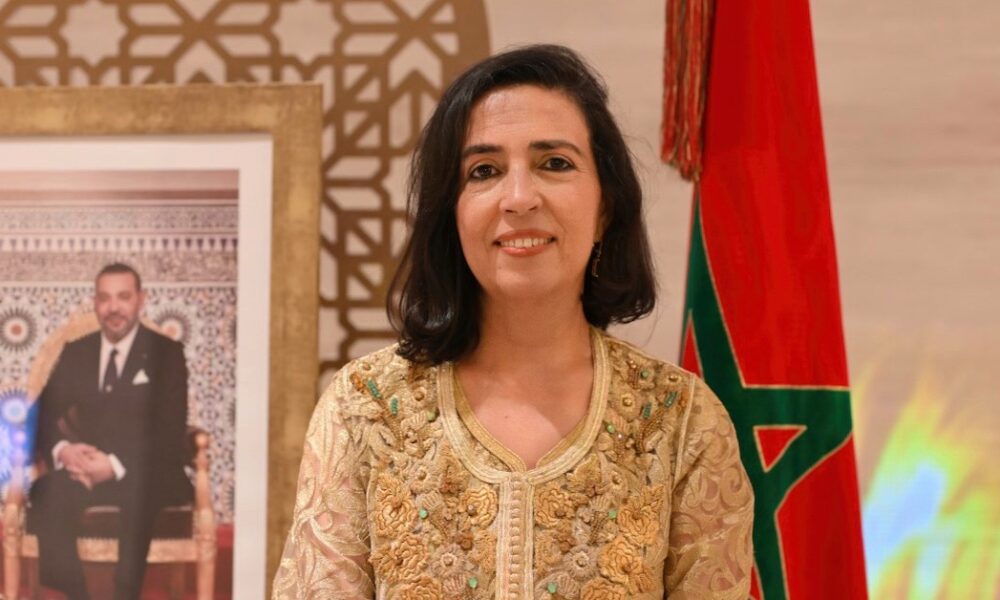
Morocco’s Consul General in Miami says the first Morocco Days in Miami was built to showcase the Kingdom’s strategic vision, heritage and artisans, and she hopes it becomes an annual event.
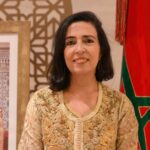
The first edition of Morocco Days in Miami, held October 22 to 24, aims to promote trade and investment between Morocco and the United States and to build new bridges across the Atlantic, Morocco’s Consul General in Miami, Chafika El Habti, said. Moroccan and American officials, investors and economic stakeholders took part.
In a statement, El Habti said the initiative follows the High Orientations of King Mohammed VI to promote the Kingdom’s image, culture, civilization, intangible heritage and economic dynamism. This year’s event is also a dual celebration of “Unity Day” and the 250th anniversary of Moroccan-American relations, she noted.
“…showcase Morocco in all its dimensions: its strategic vision, its heritage and the expertise of its artisans”, Chafika El Habti, Consul General of Morocco in Miami
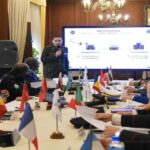
The Consulate General organized the event with the City of Coral Gables, the Chambers of Crafts of Rabat-Salé-Kenitra and Drâa-Tafilalet, and the Moroccan National Tourist Office. The program included business meetings, conferences, craft showcases and a promotion of the caftan. Officials, academics, business leaders, Florida residents and members of the Moroccan community attended.
It ran to a conference at Florida International University, a handicrafts exhibition at Ponce Circle Park in Coral Gables and a gala evening. At the two-day crafts fair, artisans from Morocco showed hand-woven rugs, caftans, jewelry, teapots and tableware to the local public, alongside local products such as argan oil. Their participation was organized with the Chamber of Crafts of the Rabat-Salé-Kenitra Region.
El Habti hopes the gathering becomes annual “in the service of friendship between Morocco and the United States” and helps strengthen ties with the Moroccan community in Florida.
- Source: MAP