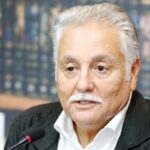


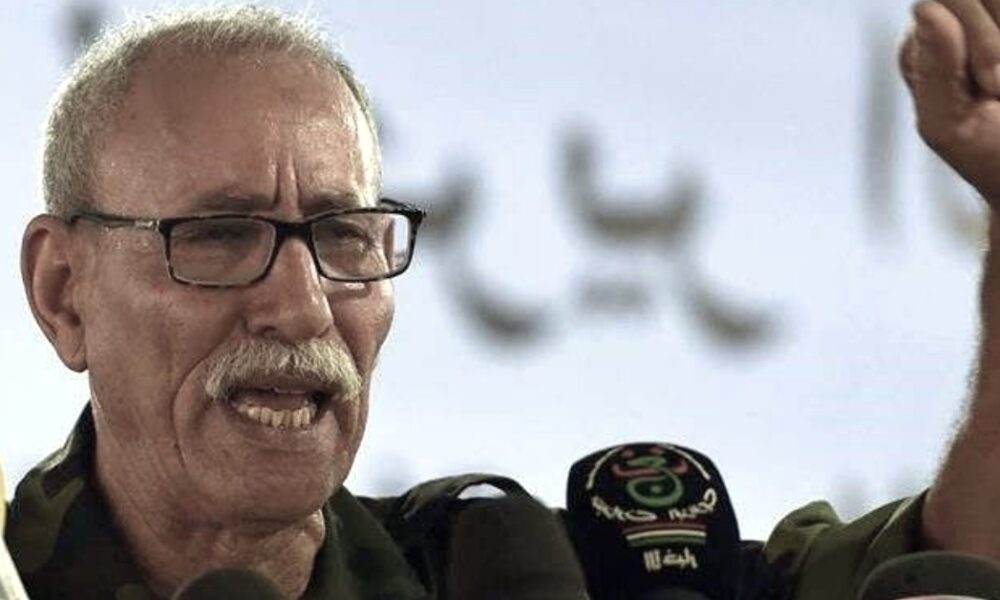
 Brahim Ghali, Polisario Front leader, under growing diplomatic pressure following the Smara escalation.
 A growing wave of international condemnation following the Polisario Front’s rocket attack on the Moroccan city of Smara is placing Algeria under increasing diplomatic pressure, as major Arab and Western powers openly denounce an escalation launched from Algerian territory.
The attack, claimed by the Polisario Front, targeted areas near Smara, including the surroundings of the city’s prison complex. While the rockets landed outside residential zones and caused limited damage, the political repercussions have been significant, with Morocco receiving broad international backing against what many capitals described as a dangerous act threatening regional stability.
The United Arab Emirates strongly condemned the attack, reaffirming its rejection of terrorism, extremism and violence in all forms. Similar statements were issued by Saudi Arabia, Bahrain, Qatar and Jordan, reflecting an increasingly unified Arab position in support of Morocco’s security and territorial integrity.
European powers including France, Spain, Britain, Belgium and the Czech Republic also condemned the strike, joining Washington in denouncing actions that undermine peace efforts in the Sahara.
Washington Reaffirms Morocco’s Autonomy Plan
The strongest message came from the United States. In a sharply worded statement, the U.S. Mission to the United Nations condemned the Polisario attack and described it as a threat to regional stability and to ongoing diplomatic efforts led by the United Nations.
Washington went even further by reaffirming that Morocco’s autonomy initiative remains the only credible and realistic solution to the Moroccan Sahara dispute, in line with UN Security Council Resolution 2797. The statement also called on parties obstructing peace efforts to commit seriously to the political process — language widely interpreted as a direct message to both the Polisario and its Algerian backers.
The attack also directly contradicted commitments discussed during recent consultations in Washington involving UN envoy Staffan de Mistura and senior American officials, where calls were made for respecting the ceasefire and engaging in negotiations without preconditions.
For Rabat, the international reactions confirm what Morocco has consistently argued for years: that Algeria cannot distance itself from Polisario military operations while providing political, logistical and territorial support to the separatist movement. The fact that the attack originated from Algerian territory has further strengthened Morocco’s position that Algiers bears direct responsibility for destabilizing actions in the region.
The broad diplomatic alignment behind Morocco comes at a time when international support for the Kingdom’s autonomy plan continues to grow, while the Polisario faces increasing isolation following repeated violations of the ceasefire and mounting criticism over its confrontational strategy.
With major global and regional powers now openly framing the attack as a threat to peace and stability, the latest escalation may mark another turning point in the international handling of the Moroccan Sahara issue — one that increasingly favors Morocco’s diplomatic approach and its autonomy proposal as the only realistic path forward.
- Source: 24SAA.com