




Rabat – Mohamed Azzouzi
Table Of Content
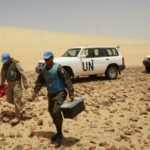
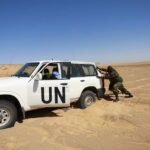
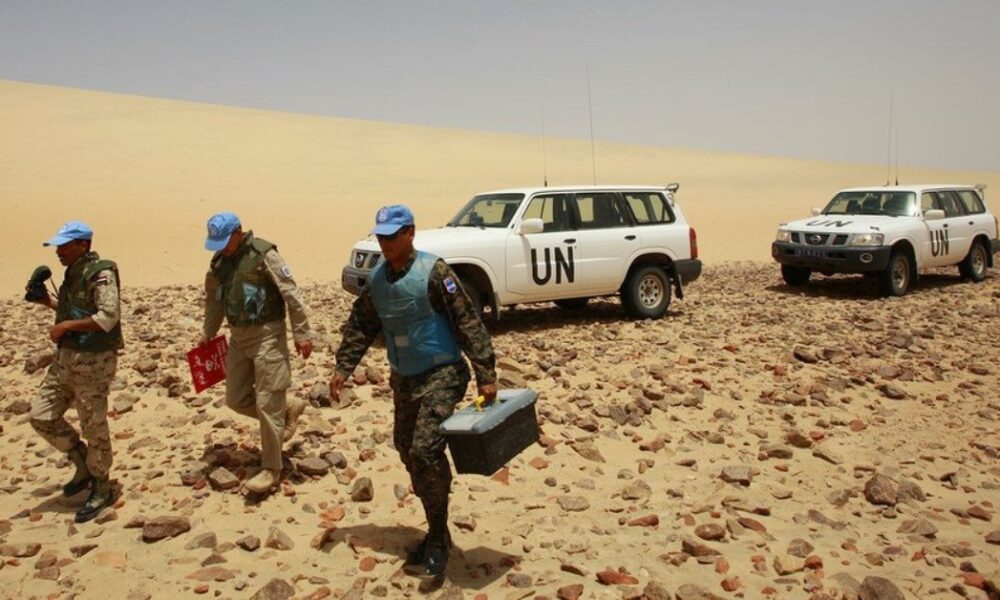
Five days ago, the Royal Office said the Minurso era was over. On Wednesday, November 4, King Mohammed VI took the next step and gave direct instructions for what follows. It is a deliberate move. Rabat appears to be heading toward closing the Sahara file without waiting for a UN mission that has spent 35 years on the ground. It is also turning the outcome of the Russian-American clash at the Security Council into a practical way to strengthen Moroccan sovereignty.
This new statement is more than a sequel to the one of October 30. The first set out a political position. The second explains how that position will be carried out. The King seems to have chosen to get ahead of the vacuum the UN leaves behind, rather than let it hang on whatever happens next at the Security Council.
From Veto to a New Political Tempo
Put the two statements side by side and the sequence is hard to miss. The first announced the end of a UN chapter that lasted 35 years. The second set the ground rules for the new reality, and it did not make Morocco’s next moves wait for another international consensus.
The handling of the Russian veto shows how carefully this was weighed. Rabat did not let the failure of the American draft turn into a political setback. It kept its eyes on the result that mattered, which is that the mission’s mandate was not renewed. In effect, Morocco is trying to rewrite the rules for managing this conflict, now that Minurso’s mission has ended without delivering the settlement it was created for.
The mission’s end does not, however, close the dispute at the United Nations in legal terms. The coming months will test whether Morocco can turn a political gain into a lasting diplomatic reality.
From Waiting on the UN to Action on the Ground
Putting the Interior Ministry in charge of coordinating Minurso’s withdrawal says more than it first seems to. It places the transition in the hands of an institution that is present on the ground across the southern provinces.
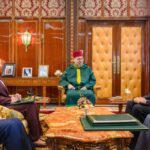
The guest list says a lot too. Head of Government Fatima Ezzahra El Mansouri, Interior Minister Abdelouafi Laftit and Lieutenant General Mohammed Berrid, Inspector General of the Royal Armed Forces, were all in the room. Together they point to the new priorities: security, stability, development and the continuity of state institutions. The King seems to be moving from managing a file tied to an international mission to steering a phase led by national institutions.
One detail stands out most. The statement does not tie the ceasefire to Minurso staying. It presents the ceasefire as a Moroccan commitment in its own right. The message looks aimed at anyone who might be tempted to use the mission’s departure as a reason to escalate.
The Sahara Without Minurso
The statement places autonomy under Moroccan sovereignty at the front of what comes next. Rabat presents it as the framework for ending the dispute, and points to international recognitions and to positions that back its proposal.
The bet goes well beyond the mission’s departure. Morocco intends to keep developing the region, strengthen its diplomatic presence and consolidate stability, and it does not want the end of the UN mission to turn into another waiting game. A final resolution still depends on the other parties and on how the UN handles the dispute from here.
That is why the move matters. Morocco is not content to end 35 years of UN monitoring. It wants Minurso’s end to open a new political chapter, in which autonomy is the basis of settlement and continued building and development are part of the strategy for ending the conflict.