


 CSIS's Alterman to 24SAA/MT: Washington has made its choice — and it's Morocco.
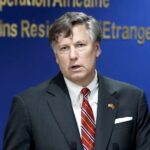
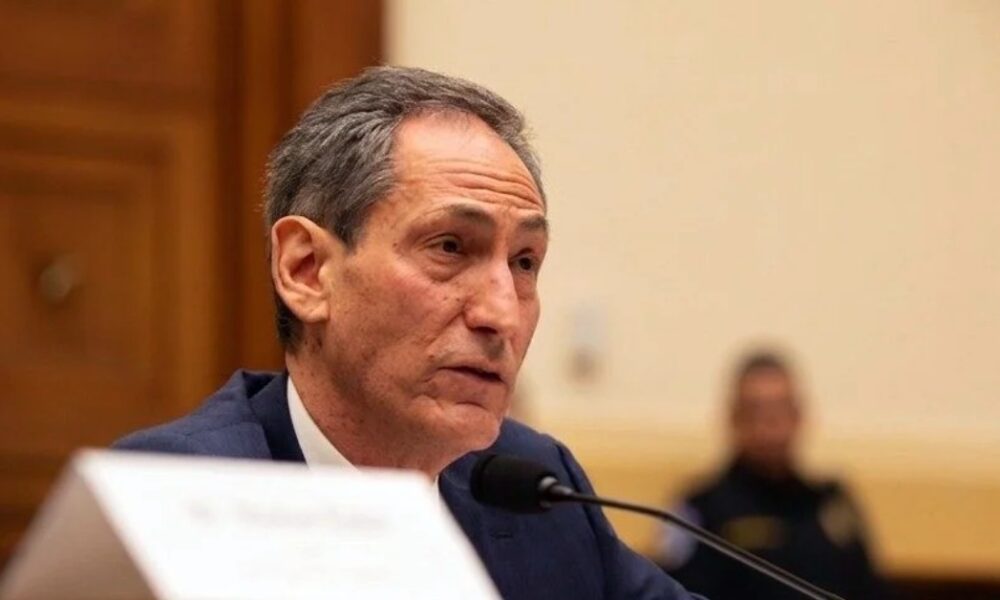
 “Washington has chosen Morocco”. That is not a headline. That is how Dr. Jon Alterman, senior fellow for security and diplomatic affairs at the Center for Strategic and International Studies, described the state of U.S. strategy in North Africa to 24SAA/MoroccoTelegraph — exclusively, and on the record, ahead of Deputy Secretary Landau’s visit to Rabat and Algiers.
Washington, Alterman said, no longer views North Africa as a theater of ideological competition. It now sees it as a vital hub for energy security, technology supply chains, and border stability — and Landau’s visit is designed to translate that shift into concrete partnerships on the ground.
The era of diplomatic stalling is effectively over. UN Resolution 2797 directly links a realistic political solution to regional stability.
— Dr. Jon Alterman, CSIS · Exclusive statement to 24SAA/MoroccoTelegraph
Morocco: the anchor
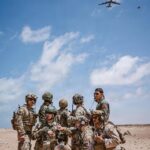
Alterman was direct about Morocco’s place in the new American calculus. Rabat has become Washington’s closest strategic partner in North Africa, he said, with direct American investment surpassing $1.8 billion in 2025 — growing at 22 percent annually across aerospace, artificial intelligence, and advanced defense. Talks in Rabat will focus on satellite cooperation, border surveillance, integrating Morocco into U.S. semiconductor supply chains, and joint military training programs, which have already grown 35 percent over the past two years.
Algeria: indispensable, not allied
On Algeria, Alterman was precise. Washington approaches Algiers through security and economic pragmatism — not alliance-building. Algeria remains a partner that cannot be bypassed on energy, counterterrorism, and border security. Talks will center on cross-border coordination with Libya and Mali, and on American investment in liquefied natural gas and renewables, with negotiations already underway on projects worth more than $4 billion. The goal, Alterman said, is a functional partnership that stabilizes the Sahel and limits Russian and Chinese inroads — not a closed military bloc.
The Sahara: a new reality
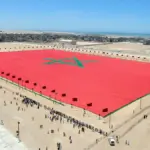
On the Moroccan Sahara, Alterman’s reading was decisive. The opening of more than 30 consulates in Laayoune and Dakhla since 2020, combined with backing from more than 90 countries — including states that traditionally leaned toward the Algerian position — has created a political reality that is difficult to reverse. Landau’s message to Algiers, Alterman said, is unambiguous: the United States is committed to reinforcing the economic and security mechanisms linked to autonomy under Moroccan sovereignty, and to turning that commitment into a tangible reality on the ground.
The visit will not end with statements, Alterman predicted. It will lay the groundwork for memoranda of understanding in space, cybersecurity, security cooperation, and energy — alongside a joint investment package exceeding $6 billion over three years, reflecting a U.S. drive to build a new regional order in North Africa on shared interests and pragmatic diplomacy.