




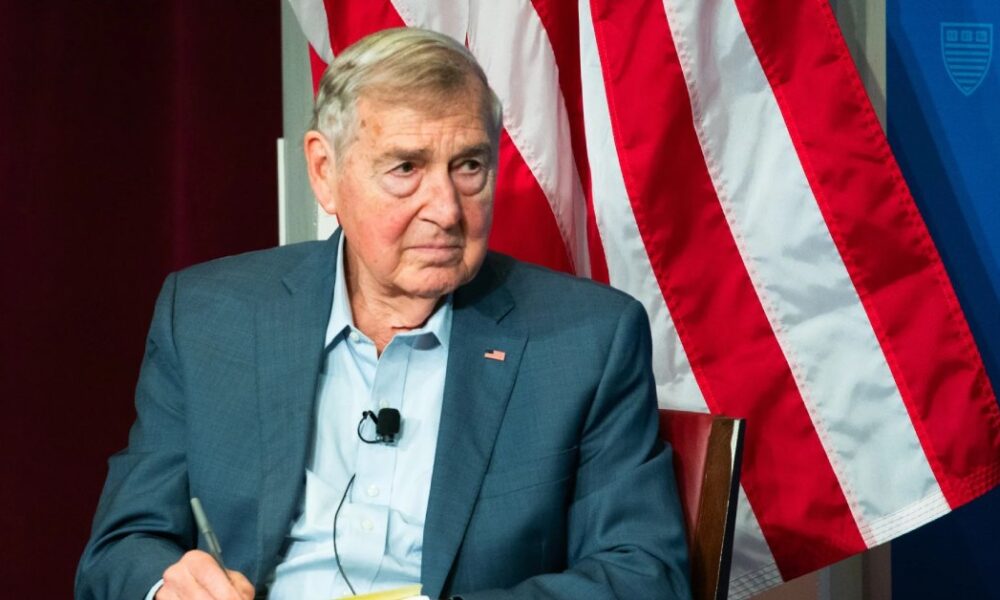
 Graham Allison — Harvard professor and national security expert whose assessment of the Smara shelling drew direct lines to Algerian responsibility.
 The shelling of Smara on May 5, 2026 was not a random act of violence. According to Dr. Graham Allison, one of America’s foremost experts in national security and international relations, it was the move of a movement running out of options — and it may have cost Algeria dearly on the international stage.
In an exclusive statement to 24SAA/MT, Allison said the attack launched from Algerian territory “represents a dangerous escalation revealing that the Polisario Front is no longer acting merely as a separatist movement, but has become part of a complex regional threat equation affecting the security of North Africa and the Sahel”. The message, he argued, landed simultaneously in Algiers and at the United Nations.
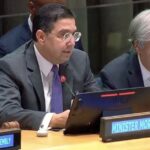
Washington, for its part, did not mince words. Allison noted that the United States Mission to the UN “did not use vague diplomatic language this time”, instead adopting a direct position condemning the targeting of civilian areas and reaffirming support for the UN process under the principles of sovereignty and stability. A succession of international condemnations followed — a pattern Allison reads as a structural shift in how Western capitals now understand the Polisario’s role in the region.
A Front in Strategic Confusion
The timing of the Smara attack, Allison told 24SAA/MT, is inseparable from the diplomatic momentum building in Washington and New York. Following the meeting between Massad Boulos and the Algerian ambassador to the United States — where Boulos stressed that the time had come for a final solution in line with UN Resolution 2797 — Allison described a “growing American determination to close this long-standing file, particularly in light of the geopolitical transformations taking place across Africa”.
That determination has a strategic foundation. Washington, he explained, now views the stability of Morocco as a fundamental element in protecting Western interests across the continent — from energy security and counterterrorism to countering Russian, Chinese, and Iranian expansion in the Sahel.
It is within this context that the Polisario’s escalation must be read. Allison’s assessment is pointed: the Front “is attempting to create field tensions after losing much of its political and diplomatic momentum”. The growing international recognition of Moroccan sovereignty over the Sahara, combined with the opening of foreign consulates in the southern provinces, “has placed the Front in a state of strategic confusion, pushing it toward demonstrative operations aimed at reimposing itself on the scene”.
Algeria Directly in the Crosshairs
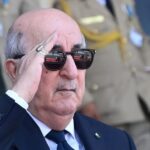
The implications for Algiers are severe. Allison was unambiguous: “any attacks launched from Algerian territory, whether directly or through armed groups linked to the Polisario, place Algeria under increasing international pressure”. He added that Western countries “no longer separate regional security from the responsibility of states hosting or supporting armed groups”.
On Resolution 2797, Allison sees a clear signal — that the Moroccan autonomy initiative has become “the most serious and credible framework within the United Nations”. The coming phase, he concluded, will bring greater American and international pressure toward a final settlement, with a stark warning: continued military provocations “could lead to the isolation of parties obstructing the political solution and fueling tensions in the region”.
The Polisario fired at a city. What it may have hit is its own future.
- By Badr Touasli