
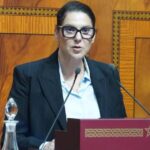


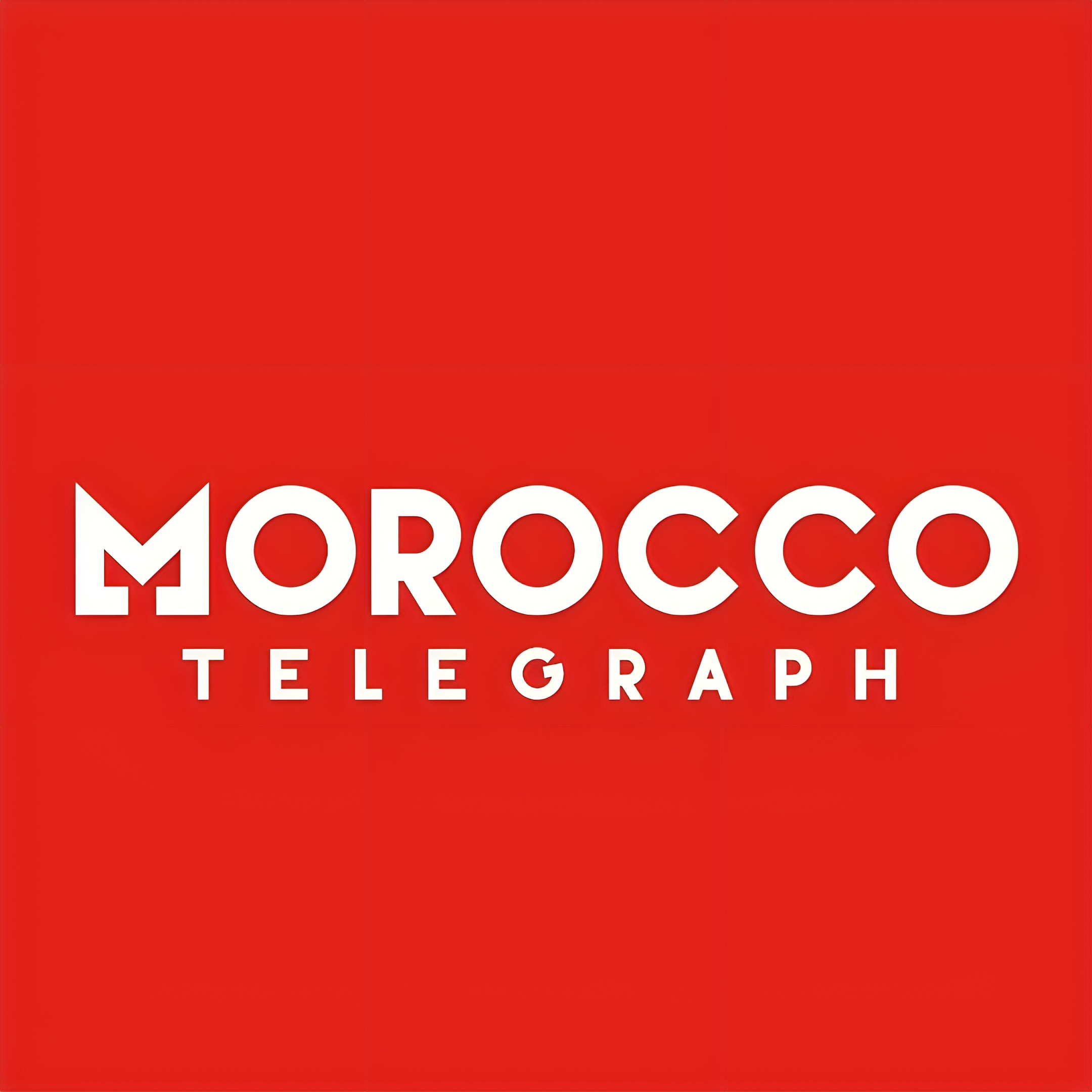
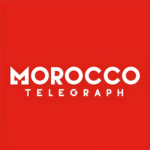
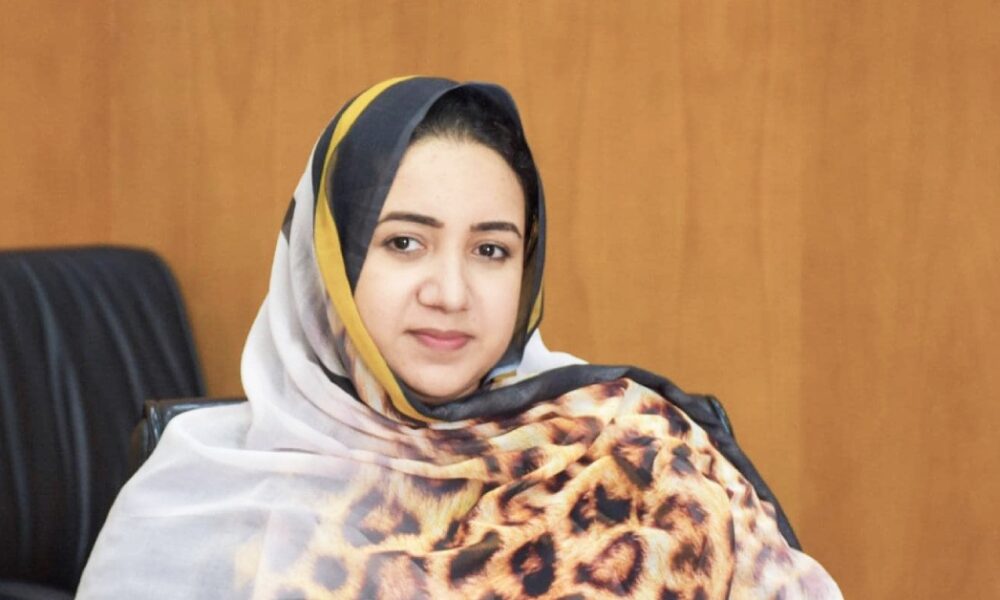
 Ghalla Bahiya, elected representative from Dakhla-Oued Eddahab.
 Ghalla Bahiya stood before the UN Committee of 24 in Managua, Nicaragua, not as a diplomat but as a woman from Dakhla — an elected representative of the region whose future is the subject of the debate. That distinction was deliberate. Her address was structured, data-driven and unequivocal: UN Security Council Resolution 2797, adopted on 31 October 2025, has opened, in her words, “a genuine historic turning point” and “a new era” in the handling of a totally contrived conflict over Morocco’s Sahara.
Bahiya identified five major developments that, taken together, define the new international reality. The Security Council has given clear and unambiguous recognition that autonomy under Moroccan sovereignty is the most feasible, realistic and durable solution. More than 130 countries now back the Moroccan Autonomy Initiative, including three permanent Security Council members — the United States, France and the United Kingdom — and Spain. Thirty-two consulates general have opened in the Moroccan Sahara, across four continents — what Bahiya called “a concrete expression of political recognition and of confidence in the region’s stability and economic potential”. More than 50 countries, most recently Mali and Honduras, have withdrawn recognition of the so-called “SADR”. And Resolution 2797 has introduced new directives requiring a census of the Tindouf camps populations — a step Bahiya called essential for any credible and lasting political solution.
“Autonomy under Moroccan sovereignty is no longer merely an option among others — it is the exclusive framework supported by the Security Council and by a growing international consensus”.
— Ghalla Bahiya · C-24 Regional Seminar · Managua, 29 May 2026
On Tindouf, Bahiya was direct and specific. She denounced “a prolonged situation of deprivation of fundamental rights” — the persistent failure to register populations in the camps despite Security Council calls since 2011, a situation she described as “unprecedented in the history of international refugee protection”. She also cited documented diversion of humanitarian aid and systematic restrictions on freedom of movement and voluntary return.
Smara, the Polisario, and what Dakhla has become
Bahiya raised the Polisario’s attacks on the Moroccan city of Smara on 5 May 2026, arguing they “should prompt the international community to seriously question the true nature of this armed separatist group”. The wave of condemnations that followed — from permanent Security Council members, UN member states and international organisations — confirms, in her reading, that the Polisario poses “a threat to regional peace and stability”. She also flagged discussions underway in the US Congress regarding the possible designation of the Polisario as a terrorist organisation.
Against that backdrop, Bahiya set the transformations underway in Morocco’s Southern Provinces. Under the New Development Model launched by King Mohammed VI in 2015, more than MAD 100 billion has been invested, with a completion rate exceeding 96%. The results include the Tiznit-Dakhla expressway, the Dakhla Atlantic Port — positioned as a strategic hub connecting Africa, Europe and the Atlantic — and three major Atlantic initiatives: the Atlantic Initiative for Sahel States, the Process of Atlantic African States, and the African Atlantic Gas Pipeline.
Bahiya closed with a hand extended toward Algeria — “a sincere hand of dialogue”, she said, “in a spirit of mutual respect, good neighbourliness, and regional cooperation and stability”. The line she had drawn in Managua was clear. The invitation to cross it remained open.
- Source: MAP