






 Eight Moroccan truckers trapped in Mali. Their union wants a military escort. Morocco's diplomats are on alert.
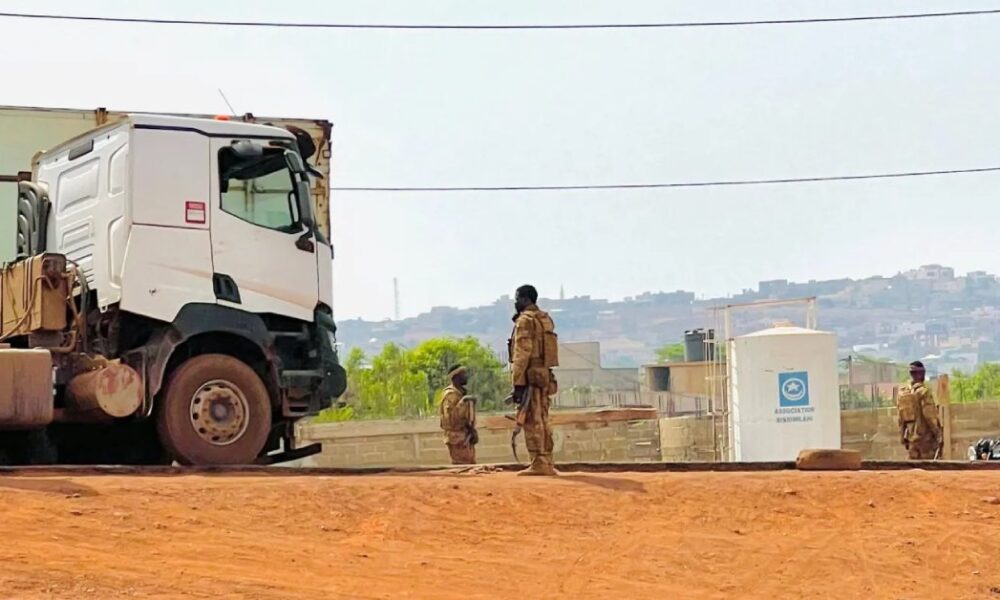
 Eight Moroccan truck drivers are stranded in Mali, trapped between the regions of Diéma and Doura while making their way back to Morocco after commercial runs between the Kingdom and West African countries. The roads linking those areas have become dangerous flashpoints — hit by repeated armed attacks and clashes specifically targeting transport convoys and commercial trucks. Their union is now calling on Moroccan authorities to intervene urgently and secure a military escort to bring them home safely.
The Moroccan Union of International and National Road Transport Professionals confirmed the situation and said it has launched emergency contacts with Moroccan diplomatic services to coordinate an immediate protection and evacuation operation. The union also noted that other Moroccan drivers remain near the borders with Burkina Faso and Mauritania — but their situations are considered less critical than those of the eight trapped inside Malian territory.
The current conditions facing international transport drivers are “unprecedented” — the union has issued strict instructions to all Moroccan drivers to maintain safe distances between trucks, avoid gatherings, and halt movement entirely until security conditions improve and adequate protection guarantees are in place.
— Moroccan Union of International and National Road Transport Professionals
A strategic corridor under threat
The incident comes amid a continuous deterioration of the security situation in Mali and the broader Sahel region, where attacks by armed groups on road axes and commercial supply lines have intensified in recent months — disrupting overland transport and blocking vital corridors linking West African countries to regional markets. The Sahel route is a strategic artery for trade between Morocco and sub-Saharan Africa, and the growing threat to it puts not just drivers but entire commercial supply chains at risk.