








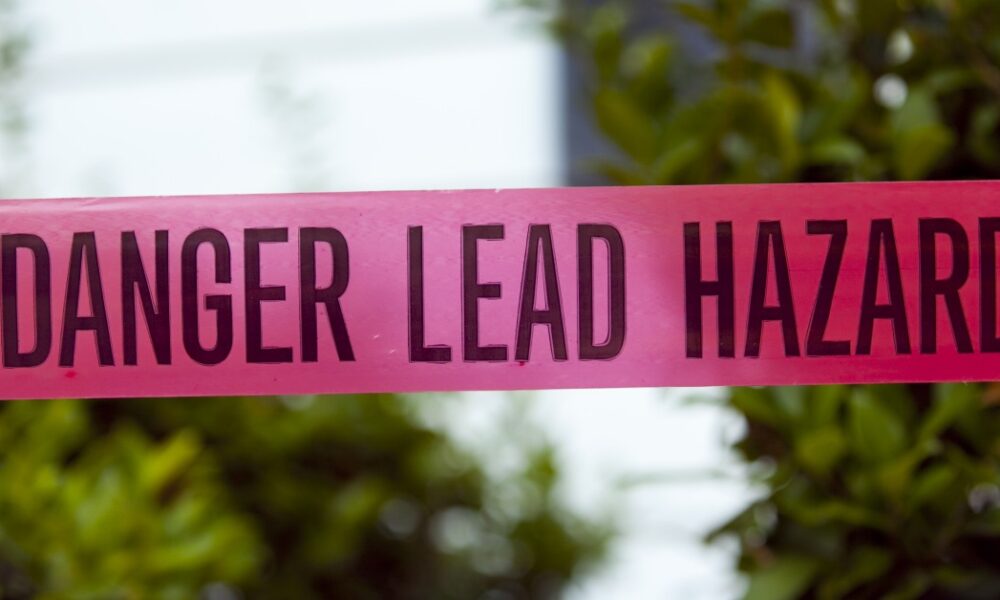
Years after a lead acid battery recycling plant shut down in Kenya’s coastal city of Mombasa, residents of Owino Uhuru say they are still suffering from lead poisoning, a public health risk that continues as Africa’s clean energy boom drives demand for batteries.
The contamination dates back to 2007, when Kenya Metal Refineries EPZ, a local subsidiary of an India-based company, operated a lead-acid battery recycling plant in the settlement. Residents say toxic waste seeped into soil and water, causing widespread illness and more than 20 deaths. The factory was shut down in 2014, but the damage remains.
Lead exposure is linked to neurological damage and long-term health effects, especially in children.
Faith Muthama, 40, a mother of four, says her health never recovered.
“Life has never been the same”, she said. “I still struggle with breathing difficulties. In 2012, I was found with high lead levels in my blood”.
Alfred Ogulo, 70, a village elder, said tests showed extremely high lead levels, leaving him with nerve damage and limited mobility.
“I cannot walk without a stick”, he said. “I also suffer chest pain and coughs from toxic fumes”.
In 2025, Kenya’s Supreme Court awarded about $12 million to 3,000 residents in a class-action lawsuit against the smelting company, but activists say compensation has been delayed.
“It is sad that the state has ignored prioritizing the payment”, said Phyllis Omido of the Centre for Justice Governance and Environmental Action (CJGEA), who helped lead the case.
“Is it fair that we are still chasing justice?” said Mejumaa Hassan Nyanje, 60. “It feels like we’ve been abandoned”.
Experts warn the case reflects a wider African challenge as demand for batteries rises with off-grid solar expansion. A Centre for Global Development report says this is driving a surge in recycling, often in informal and unsafe conditions.
“Off-grid solar could account for a substantial share of batteries entering the recycling stream”, said Lee Crawfurd of the Centre for Global Development.
Lead-acid batteries remain popular because they are cheap, but safe recycling is costly and often avoided, leading to pollution risks.
Across Africa and South Asia, studies estimate that one-third to half of children have elevated blood lead levels. Weak enforcement of environmental rules worsens the problem.
“This is a silent threat”, Crawfurd said. “It affects health, cognition and productivity”.
The issue is not limited to informal sites; even larger facilities and global supply chains lack accountability.
Some countries, like South Africa, are introducing producer responsibility systems to improve recycling standards. But in many regions, responsibility remains unclear.
While lithium-ion batteries are being promoted as safer alternatives, lead-acid batteries are still expected to dominate for years, especially in off-grid systems.
For residents of Owino Uhuru, the consequences remain deeply personal—and unresolved.
- Source: AP