



 Calls grow for political elite renewal in Morocco ahead of key electoral milestones and 2030 preparations.
 By Lahbib Chabat – Journalist, political analyst, and party actor based in Spain
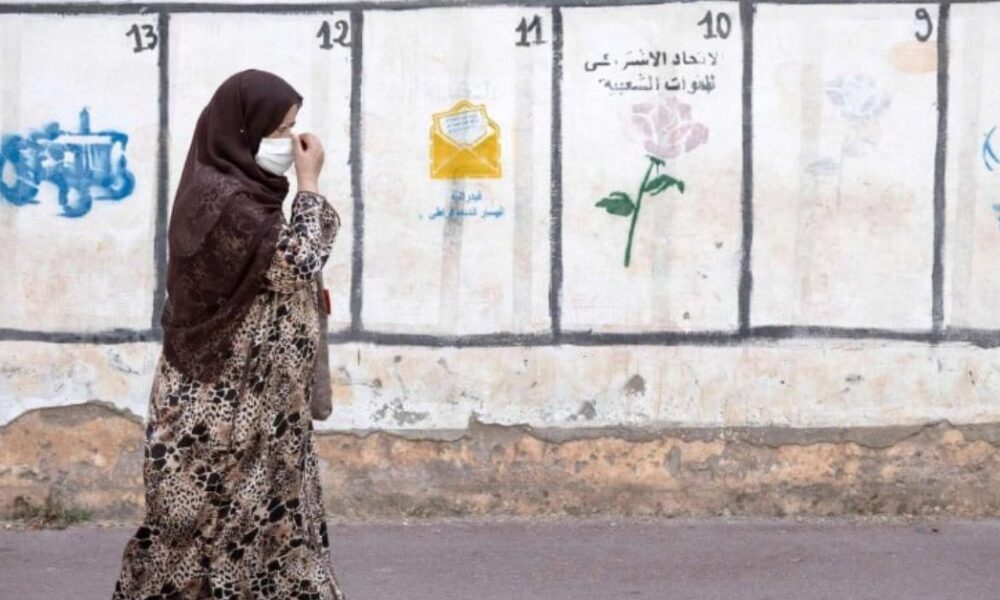
Morocco is navigating a decisive and historic crossroads. With parliamentary elections expected this year, followed by local and regional polls next year, the country faces stakes that go far beyond routine partisan competition.
At a time of significant and positive momentum surrounding Morocco’s national cause, and as preparations accelerate for the 2030 FIFA World Cup, these electoral milestones carry strategic weight. They demand a forward-looking political class—renewed, capable, and equipped to lead Morocco through a transformative phase.
Yet one of the central challenges remains the ability of political parties to open up to new talent and fresh faces. Despite recurring official rhetoric about the need to “inject new blood” and attract national competencies—both at home and across the diaspora—the reality on the ground tells a different story. A clear gap persists between discourse and practice, largely rooted in party structures and their pragmatic, election-driven logic.
Political parties bear significant responsibility in this regard. They often struggle to move beyond reliance on established l

ocal notables and seasoned electoral figures, who are seen as dependable vote-getters capable of securing seats. In a system where local influence, financial mobilization, and social networks still weigh heavily, merit and competence are too often overshadowed by party loyalty or electoral clout.
When electoral calculations take center stage, the promise of renewal tends to fade, giving way to the logic of short-term “efficiency.” Instead of serving as a moment to reshape political elites and integrate new competencies, elections frequently become an exercise in recycling familiar faces, with only minor cosmetic changes. Priority is given not to those with reformist vision or coherent societal projects, but to those perceived as most likely to win.
This dynamic fuels a growing sense of political alienation among highly qualified young professionals, both within Morocco and among Moroccans abroad. Many encounter closed party systems and unequal conditions for entry, leading to a widening gap between political organizations and society at large—and diminishing the appeal of political engagement among educated and conscious segments of the population.
Overcoming these structural limitations requires genuine political will within party leadership. This can be translated into three key reforms:
- Revisiting candidate selection mechanisms, by adopting transparent criteria grounded in integrity, competence, and leadership capacity.
- Strengthening internal democracy, by fostering fair competition within parties and moving away from top-down appointments and narrow loyalty networks.
- Investing in the elites of tomorrow, making renewal a continuous party doctrine rather than a seasonal slogan.
Ultimately, the success of any meaningful political reform hinges on genuine elite renewal. Today, Morocco’s political parties face a historic choice: continue reproducing the same figures—at the risk of deepening public distrust—or embrace a bold reform path that opens the door to capable talent ready to lead the country toward 2030 and beyond with ambition and resilience.