


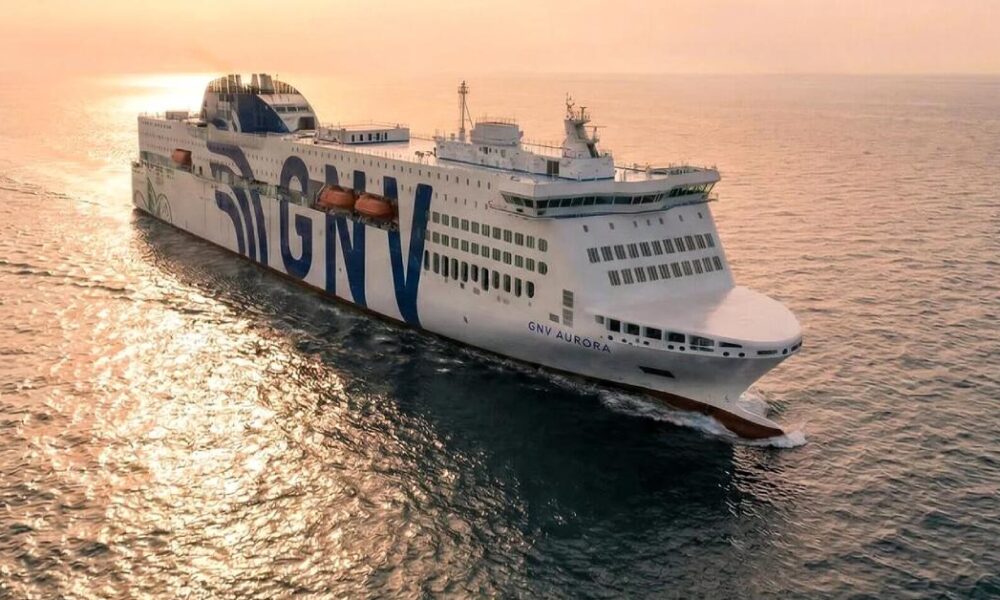
 A vote of confidence: GNV selected Morocco for its two newest vessels.
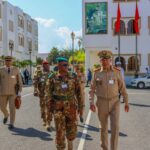
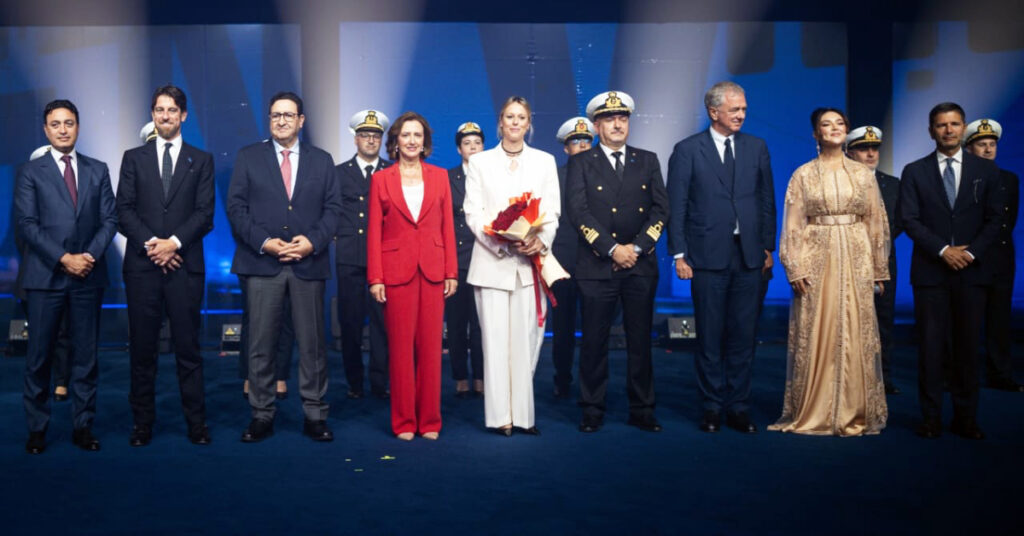
 On the sidelines of the GNV Aurora christening in Tangier, Mohammed Kabbaj sat down with MT to explain why GNV chose Morocco for its two newest ships, what the World Cup 2030 changes for maritime connectivity, and where GNV is heading next.
- GNV has chosen to direct a significant part of its new investments toward Moroccan maritime lines. What explains this direction?
This decision reflects above all the growing importance Morocco holds within the group’s operational ecosystem. Over many years we have built a partnership of trust and cooperation with Moroccan institutions, and we have accumulated significant experience in accompanying the mobility of the Moroccan diaspora living in Europe. When we talk today about allocating two new-generation ships to Moroccan lines, we are not just talking about a fleet investment — we are talking about a strategic conviction that Morocco is a priority market. We developed our services based on the needs of Moroccan travellers, and that is what placed the Kingdom at the top of the list of destinations benefiting from the company’s fleet modernization programme.

- To what extent is this investment linked to Morocco’s future vision and preparations for hosting the 2030 World Cup?
An investor always looks for clarity and stability before making a major investment decision. Morocco has succeeded in recent years in presenting a clear picture of its economic and development orientations, which has strengthened the confidence of international players in its ability to achieve its future goals. An investment of this scale — worth hundreds of millions of euros — reflects our belief in the growth prospects Morocco offers. The preparations related to the 2030 World Cup open new horizons for developing infrastructure linked to international transport and mobility, and we see maritime transport as one of the essential components of this dynamic. We are already working to strengthen our operational capacity to accompany this transformation.
- Can what was announced today be considered the beginning of a new phase of expansion in the Moroccan market?
Absolutely. What has been achieved today is only one step within a broader project aimed at strengthening our presence in Morocco over the long term. We have ambitions to continue investing in modern ships and developing services for travellers — especially members of the Moroccan diaspora, who represent a fundamental segment of our activity. We consider that Morocco possesses exceptional assets that qualify it to be a major maritime and logistics platform in the region, and it is natural that we accompany this development by expanding our investments and reinforcing our operational capacities.
- What are the prospects for developing maritime connectivity between Morocco and European countries in the coming years?
There are significant possibilities for expanding the maritime network between Morocco and a number of European destinations. But achieving this goal depends on continued coordination and joint work between all stakeholders — both Moroccan authorities and the bodies overseeing the sector. The success of major crossing operations, led by the Marhaba operation, demonstrates annually Morocco’s capacity and that of its partners to manage one of the largest seasonal mobility movements in the world. On our side, we will continue investing in fleet modernization and service development to provide more efficient transport offerings that meet travellers’ expectations. We look to the future with great confidence, and we believe the coming years will see new initiatives launched that will strengthen maritime connectivity between Morocco and Europe — consolidating the Kingdom’s role as a central hub for maritime transport in the Mediterranean basin.